

Could Your Irish-born Grandparent Open a Door to Ireland and Europe?
Today I am delighted to publish a guest post by the good folks at Irish by Descent, who have a wealth of information available for anyone who has ever posed this question.
For many Irish American families, Ireland is part of who they are, even if no one in the family has set foot there in decades. A grandparent's stories. A family name. A song or saying passed down without anyone quite knowing where it began.
Most Irish Americans today are several generations removed from Ireland. According to a 2023 survey, among Americans with Irish ancestry who could identify their most recent Irish-born ancestor, roughly 85% pointed to a great-grandparent or earlier.
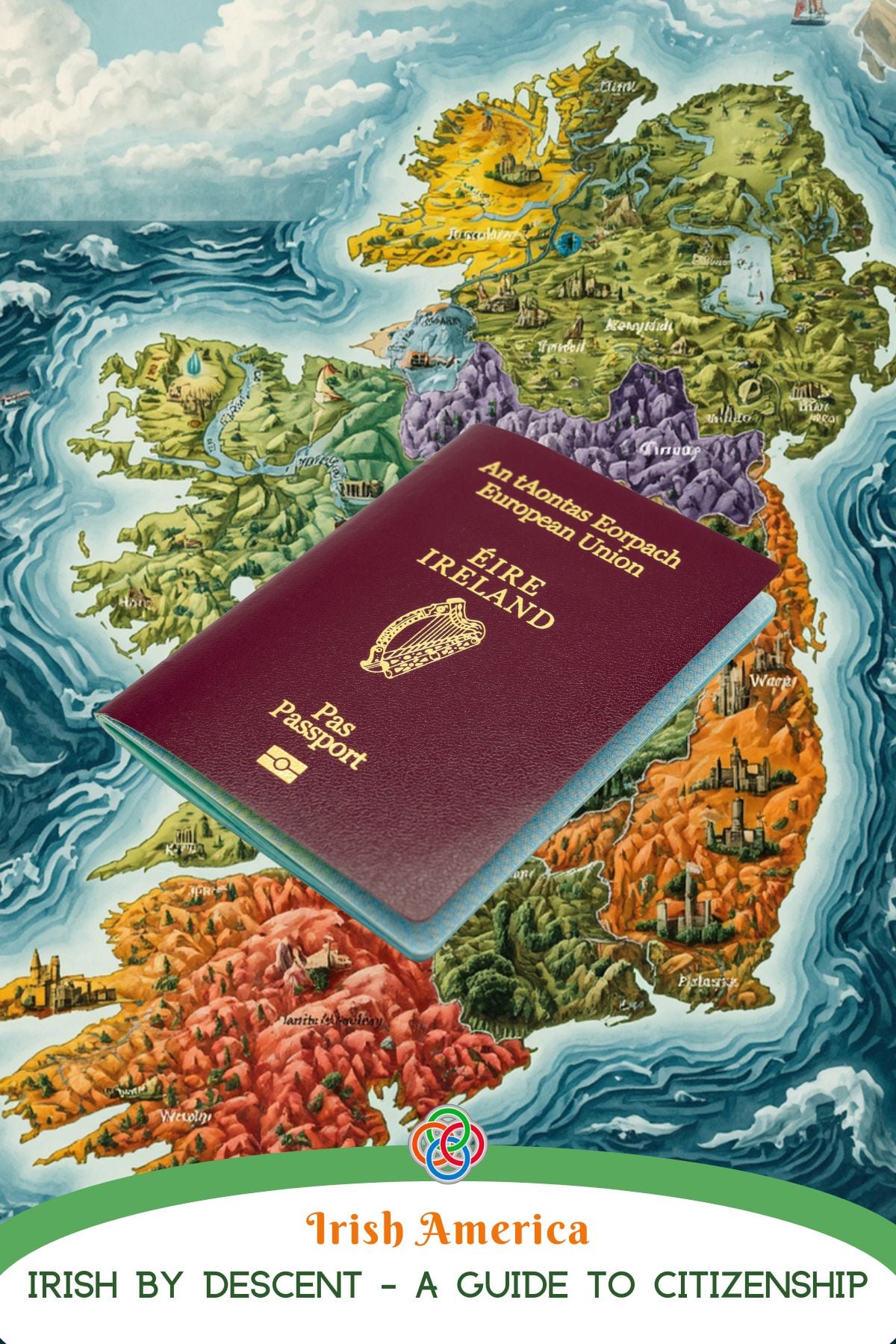
However, if you are part of the smaller group whose grandparent was born on the island of Ireland, you may be eligible to apply for Irish citizenship through a process called Foreign Birth Registration.
This includes a grandparent born anywhere on the island of Ireland: Dublin or Derry, Cork or Belfast, Kerry or Tyrone. For citizenship-by-descent purposes, the Irish government treats a grandparent born in what is now Northern Ireland the same as a grandparent born anywhere else on the island.
Table of Contents
- Foreign Birth Registration Applications Surge in 2025
- A Reminder That Doors Can Close
- What Irish Citizenship Can Unlock
- Practical Benefits Without Relocating
- What the Application Actually Involves
- Accessible, But Not Effortless
- A Guide for Your Journey
- Why a Name Alone Isn't Enough
- Ar scáth a chéile a mhaireann na daoine In the shelter of each other, the people live
- A Door Worth Walking Through
- Learn More About Irish By Descent
Foreign Birth Registration Applications Surge in 2025
Irish citizenship-by-descent is not new, but more Americans are paying attention to it than ever before.
Recent reporting from The Irish News highlighted a notable increase in U.S. applications to Ireland's Foreign Births Register. According to figures from Ireland's Department of Foreign Affairs, U.S. applications rose from 11,601 in 2024 to 18,910 in 2025 - a 63 percent increase.
These are not abstract numbers. They represent thousands of American families opening boxes in attics, calling older relatives with questions, and navigating the Irish government's application requirements.
Some are thinking about retirement in Europe. Some about optionality for what the future brings. And some simply want to honor their Irish heritage in a deep and meaningful way.
Ireland's Department of Foreign Affairs currently estimates a 12-month processing time for complete and accurate Foreign Birth Registration applications. In March 2026, that public guidance was updated from 9 months to 12 months.
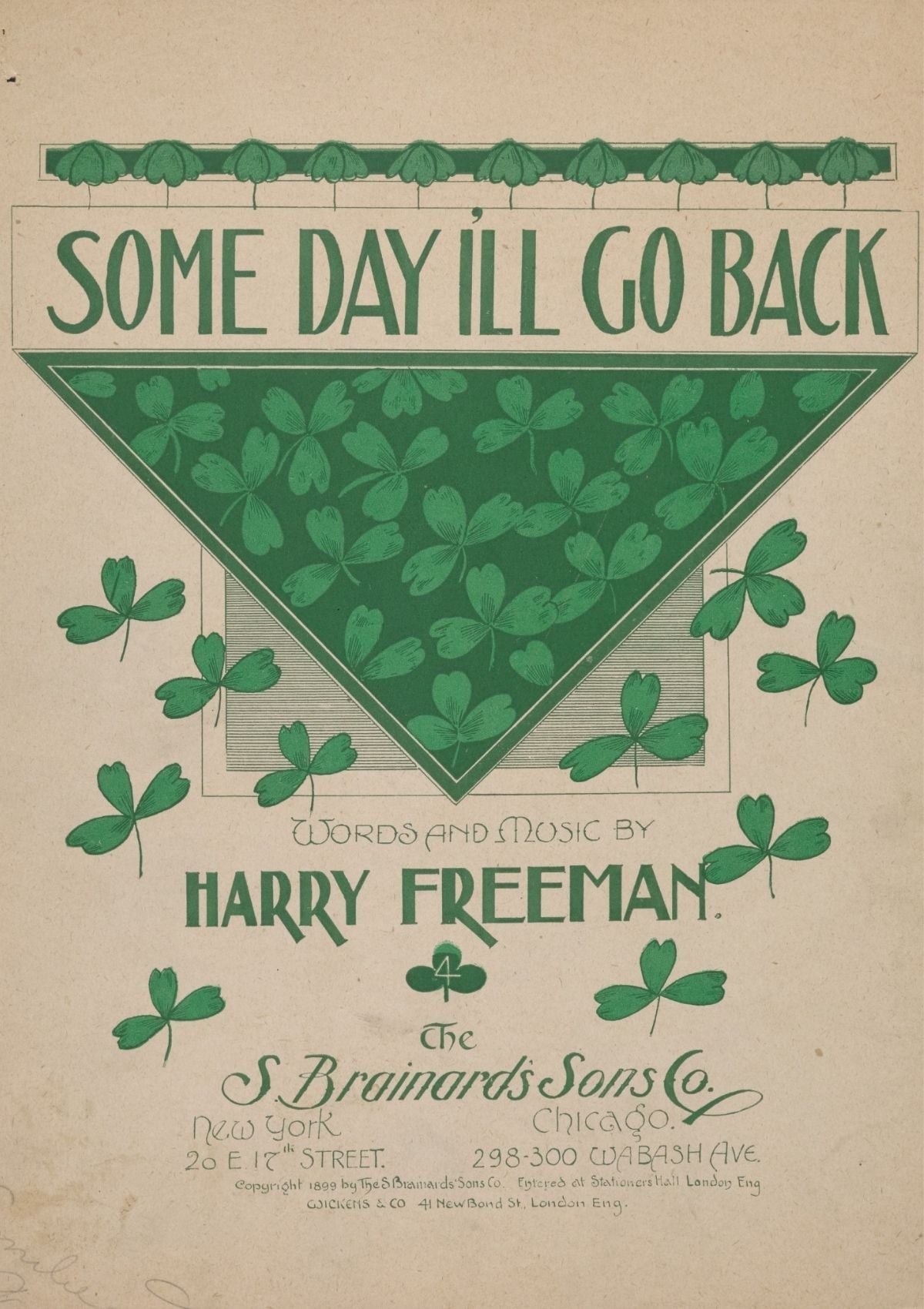
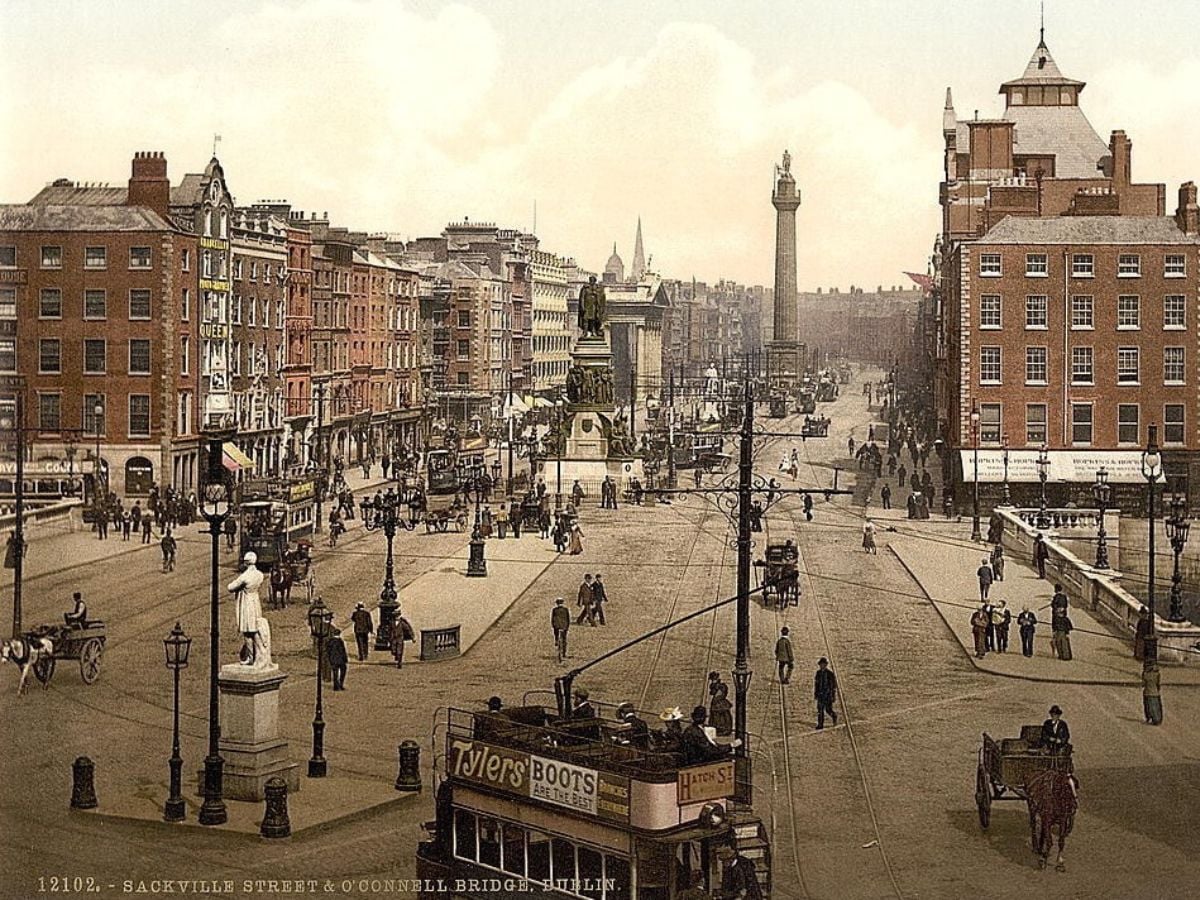
Image courtesy of The New York Public Library
A Reminder That Doors Can Close
Here's another reason many Irish Americans are no longer putting off exploring Foreign Birth Registration: programs like this can change, and eligibility rules are not guaranteed to remain the same forever.
This isn't a prediction about Ireland. There's no public indication that Ireland plans to change its rules. But Italy is a recent and sobering example. In 2025, Italy significantly tightened its citizenship-by-descent program after officials cited a sharp rise in claims and growing strain on its consular system.
The change made global headlines, and the law was challenged in court. However, in March 2026, Italy's Constitutional Court upheld the new restrictions. The Italian diaspora reaches across the United States, Latin America, and many other parts of the world. For thousands of families, a long-standing pathway disappeared almost overnight. When it comes to citizenship-by-descent, procrastination can leave you watching the door close from the wrong side.
What Irish Citizenship Can Unlock
For many Irish Americans, the emotional weight of becoming an Irish citizen is reason enough on its own. It can feel like a formal recognition of something that has lived quietly in the family for generations. But the practical side is real, too.
Ireland is a member of the European Union (EU). Irish citizens are EU citizens, and under current EU rules, that comes with the right to live, work, and travel across all 27 member countries.
Irish citizenship also offers a distinctive benefit that other EU citizenships generally do not provide: under the Common Travel Area arrangements between Ireland and the United Kingdom, Irish citizens can live and work in the UK without a visa. Since the UK left the EU, that privilege is no longer automatic for citizens of other EU countries.
You don't have to want any of this today. But if life ever turns toward Europe, for a career, for retirement, for a sabbatical you haven't thought of yet, then Irish citizenship means the opportunity is there.
Practical Benefits Without Relocating
Irish citizenship can still have real value even if you never relocate. It can make longer stays in Europe more flexible, and at many European airports, an Irish passport may make passport control simpler or faster than traveling on a U.S. passport.
What the Application Actually Involves
Foreign Birth Registration is a real application. It's not a quick online form, and it's not a casual claim of Irish ancestry. It's a paper-heavy process built around proving a family connection across three generations.
Here's what that means in practice. You will need to locate, confirm, and gather various vital records for yourself, your parent, and your Irish-born grandparent.
Additionally, you will need to correctly prepare several other required documents. This includes a properly witnessed photocopy of your photo ID, acceptable proof-of-address documents, and properly witnessed passport photos, to name a few.
This is where most people start to feel overwhelmed. It's also where many start to assume they'll need to spend several thousand dollars on professional help.
The process is serious. The details matter. But with the right roadmap, many applicants can prepare a complete and accurate application themselves.
Accessible, But Not Effortless
Compared to many similar European programs, Ireland's citizenship-by-descent process is more accessible. The application is in English. The fees are relatively modest. The document requirements can also be less demanding: many EU citizenship-by-descent programs require immigration records, for example, while Ireland's Foreign Birth Registration does not.
But accessible isn't the same as effortless. Without a clear plan, it's easy to lose months of progress at the beginning, just trying to figure out which documents you need and how to meet each requirement.
Additionally, small mistakes at submission can cause real delays once the application is under review. Some examples include submitting the wrong proof-of-address document, including passport photos that weren't properly witnessed, or providing a short-form birth certificate when the long-form is required.
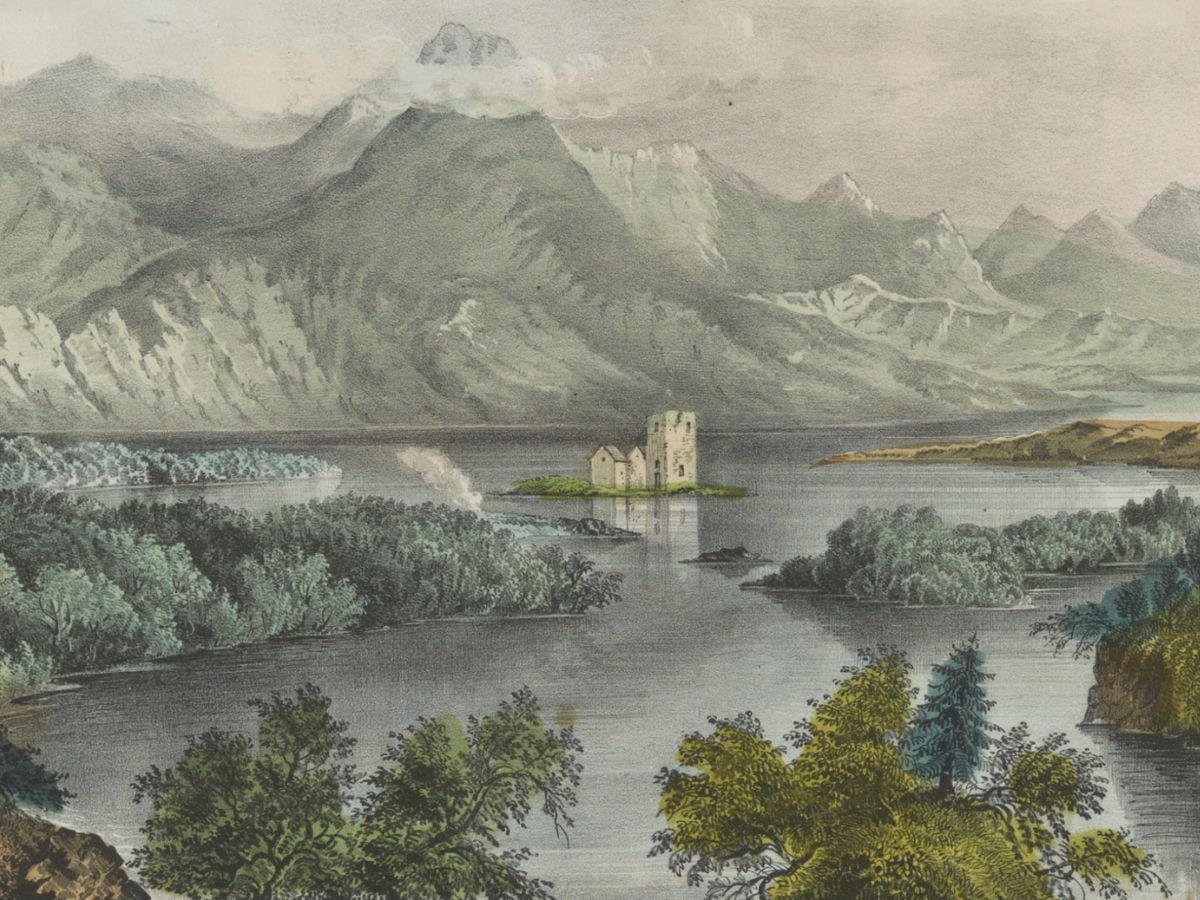
Courtesy of the Library of Congress
A Guide for Your Journey
Irish By Descent was founded with a clear mission: to make pursuing Irish citizenship through Foreign Birth Registration more accessible, clear, and affordable.
Your Guide to Irish Citizenship by Descent is the centerpiece of that mission: a comprehensive online resource built specifically for Irish Americans pursuing citizenship through an Irish-born grandparent.
The Guide is designed to be both practical and engaging. Five modules of video lessons walk you through understanding the requirements, identifying your Key Family Facts, locating Irish vital records, organizing your supporting documents, and preparing the application itself.
Some will begin their journey with little more than a name and vague, unconfirmed details about their grandparent's birthplace in Ireland. Others may already have all necessary details about their Irish family and are ready to jump straight to ordering relevant vital records and learning about the intricacies of the actual application. Both starting points are normal. The Guide meets you where you are.
Why a Name Alone Isn't Enough
Let's say your grandfather's name was John Murphy.
That sounds like a strong starting point, until you realize the 1901 Irish census lists over 4,700 people by that name. Suddenly a name isn't enough.
More details are needed to successfully locate your grandfather, John Murphy. We call these details Key Family Facts, and gathering them is often the difference between unnecessary frustration and a clear path forward.
For most Irish American families, that work doesn't start in Ireland. It starts at home. The clues are often waiting in American records: a grandparent's certificate of naturalization, a great-grandfather's military draft card, or a passenger manifest with an Irish hometown scrawled in faded ink. These records can help reveal clues about your family's history in Ireland.
Courtesy of the Library of Congress
Ar scáth a chéile a mhaireann na daoine
In the shelter of each other, the people live
We often emphasize the practical benefits of obtaining Irish citizenship. However, we have found that for many people, the underlying motivation is something far simpler: a deep respect for those who came before them. That same spirit inspired the creation of the Guide at every step, from its detail and thoroughness to the care we put into the overall learning experience.
Many lessons in the Guide include public domain historical images to help bring the material to life, and one has always stayed with us. It is a National Archives photograph of President Kennedy during a visit to Ireland in 1963, showing him, arguably the most powerful man in the world, having tea with his cousin Mary Ryan at the family homestead in Dunganstown, a small townland in County Wexford.
There is something quietly moving about that image: the President of the United States, sitting in a small rural cottage with an older relative, honoring the family his ancestors left behind when they ventured to America.
For us, this has always been about more than exploring your past. It is about honoring it.
For many Irish Americans, Foreign Birth Registration is not just paperwork. It can become a way of reconnecting with the people and places that shaped your family's story. As names, records, and places begin to come together, the process can feel less like filling in forms and more like an act of remembrance for the people who came before you.
A Door Worth Walking Through
Your Irish ancestors likely endured poverty, oppression, famine, and disease. Many crossed an ocean with little more than the clothes on their backs. Their perseverance is why your family is here today. If pursuing Irish citizenship matters to you, this can be a way to carry that story forward.
If you have an Irish-born grandparent, the door to Irish citizenship is currently open. Will you walk through it?
Go n-éirí an bóthar leat. May the road rise to meet you.
Learn More About Irish By Descent
Irish By Descent offers Your Guide to Irish Citizenship by Descent, a self-paced online Guide for Americans exploring Foreign Birth Registration. The Guide demystifies the process, helping you uncover important family details, locate Irish vital records, organize documents, and prepare your application with clarity and confidence.
Irish American Mom readers: use code MAY150 for $150 off the Guide through May 31, 2026.
Visit IrishByDescent.com to learn more or to preview the first lesson of the Guide. We also offer a free Irish By Descent Handbook - a friendly walk-through of how Foreign Birth Registration works and the benefits of Irish citizenship.
Instagram: @IrishByDescent
YouTube: @IrishByDescent
Pinterest: @IrishByDescent
Irish By Descent, LLC is a U.S.-based education company and is not affiliated with or endorsed by the Government of Ireland. Materials are for educational purposes only and do not constitute legal, immigration, tax, or financial advice. Foreign Birth Registration eligibility, requirements, fees, and processing times are determined by Ireland's Department of Foreign Affairs and may change.
Irish American Mom does not have a financial relationship with Irish By Descent LLC and did not receive any remuneration for publication of this guest post.

Slán agus beannacht,
(Goodbye and blessings)
Mairéad -Irish American Mom
Pronunciation - slawn ah-gus ban-ock-th
Mairéad - rhymes with parade
Immigrant Tales
- Introducing Your Irish American Heritage To Friends
- Our Irish Heritage - A Kid's Guide to the Irish Diaspora and Irish National Anthem
- 19th Century Irish Immigrants Who Made Multiple Journeys To America
- Learning About Your Irish Family Ancestry


Genealogy Resources
- Irish Heritage Clubs to Join in All 50 States
- Celtic Roots Learning Program
- World Village Playset Ireland Giveaway
- Introducing Histories In The Making




Leave a Reply