

If you've ever wondered who the Celts were and how Celtic culture and history shaped Irish identity, exploring your Irish Celtic heritage reveals a story far older and richer than most family trees can show.
One of the great joys of discovering you have Irish roots is the moment curiosity turns into connection. You start with a surname, a county, a DNA test, and before you know it, you're pulled into a much older story.
A story that stretches back long before parish records or passenger lists. A story shaped by a people known as the Celts.
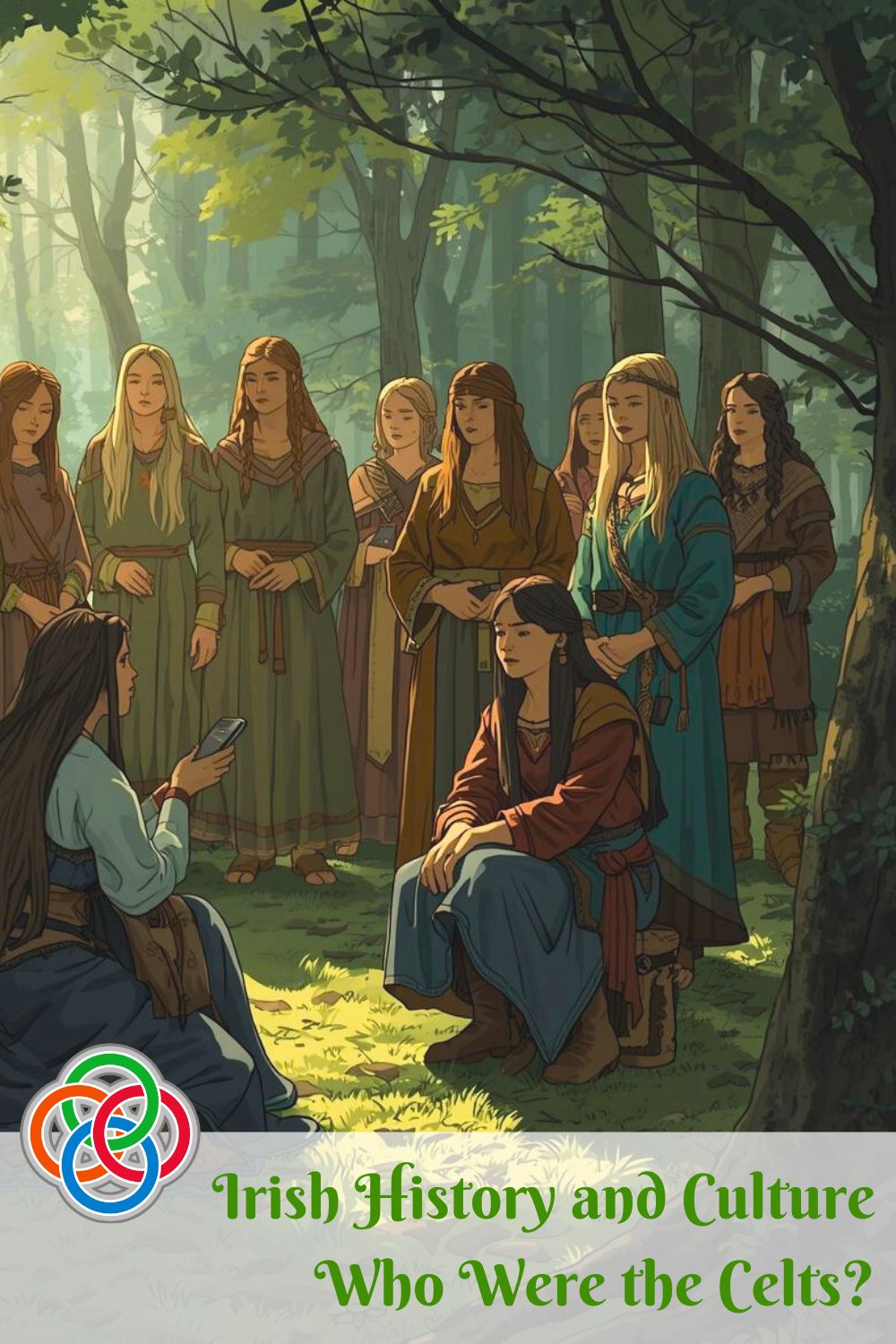
With ancestry and family history tools more accessible than ever, many Irish Americans find themselves asking the same questions: Who exactly were the Celts? And what does Celtic heritage really mean for those of us tracing our family lines back to Ireland?
If you've begun researching your Irish ancestry, you've likely encountered the term Celtic, sometimes used interchangeably with Irish, sometimes wrapped in mystery, symbolism, and romance.
Understanding who the Celts were helps bring clarity to your family's past and reveals how deeply their worldview still shapes Irish and Irish American culture today.
Table of Contents
What Does "Celtic" Really Mean?
The first surprise for many people is this: the ancient Celts were not exclusively Irish.
While modern culture often links Celtic identity to Ireland and the British Isles, the Celts were once the largest cultural group in ancient Europe.
At their height, Celtic tribes stretched from Ireland and Britain across France, Spain, central Europe, and as far east as modern-day Turkey.
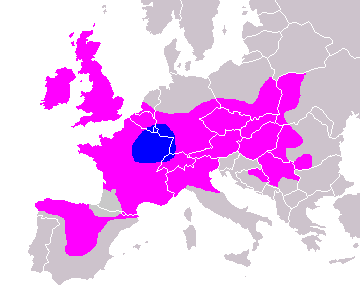
Interestingly, the Celts did not call themselves "Celts." The name comes from the ancient Greek word Keltoi, a term outsiders used to describe these tribal peoples, often translated as "barbarians," though that says more about Greek attitudes than Celtic culture.
Rather than a single nation or empire, the Celts were a collection of related tribes, bound together by shared languages, artistic styles, religious beliefs, and social customs. Ireland became one of the places where Celtic culture survived most fully, especially after Roman expansion reshaped much of continental Europe.
The Origins of Celtic Culture
Archaeological evidence suggests that Celtic culture began to emerge around 1200 BC, during the late Bronze Age and early Iron Age. Over centuries, Celtic peoples migrated and settled across vast regions of Europe, adapting to local landscapes while maintaining core traditions.
In Ireland, Celtic society developed without Roman conquest, allowing its language, mythology, and social structures to evolve more independently than elsewhere.
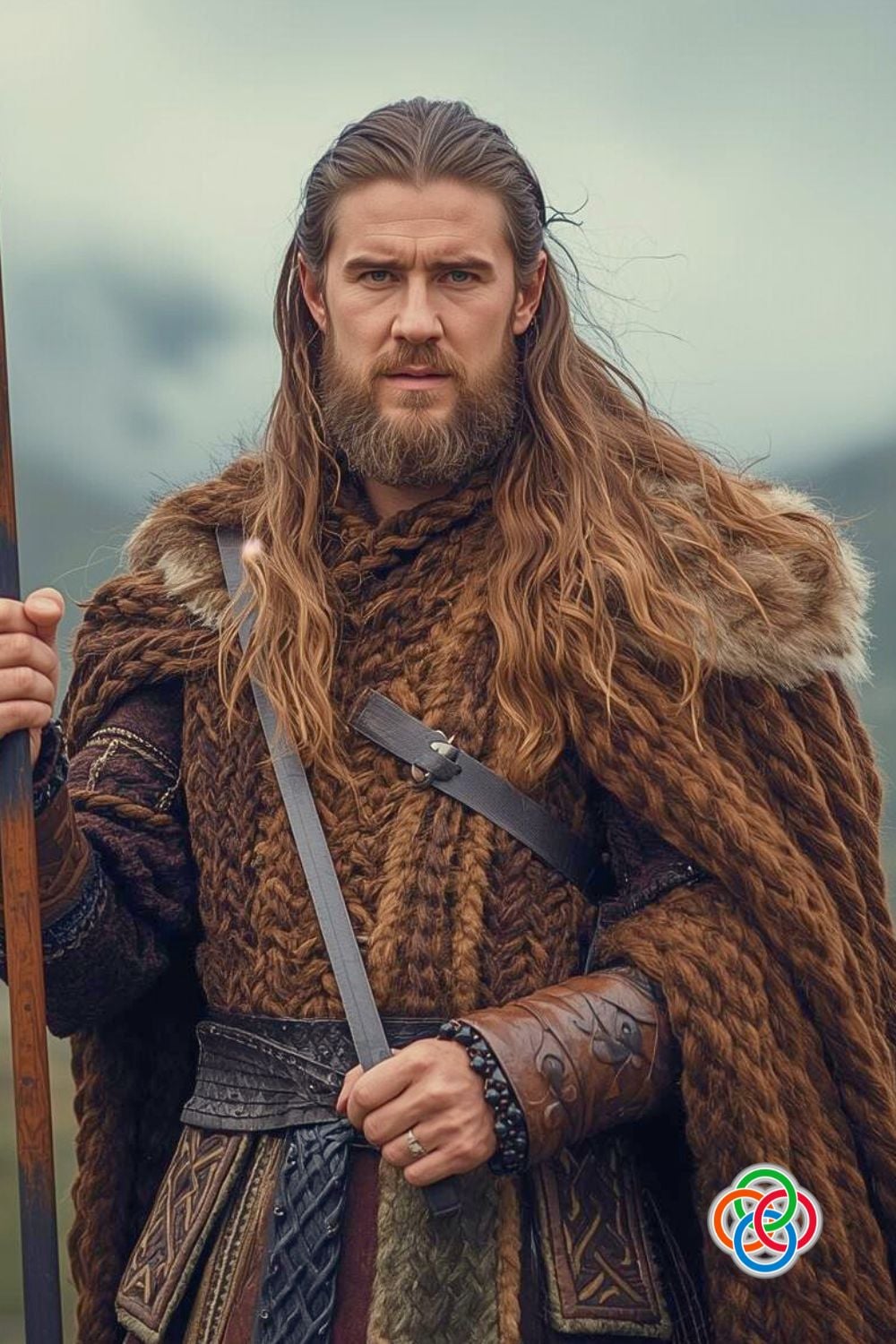
This is one reason Irish culture retains such a strong and recognizable Celtic character today.
Rather than cities or centralized governments, Celtic societies were tribal and kin-based, with strong loyalty to family, land, and ancestry, values that still resonate deeply in Irish and Irish American life.
An Oral Culture: Memory, Story, and the Druids
One of the reasons Celtic history feels elusive is that the Celts left few written records of their own, at least in the early periods. This wasn't due to ignorance or lack of sophistication. It was a deliberate cultural choice.
Celtic knowledge was preserved through oral tradition: storytelling, poetry, music, law, and ritual passed carefully from one generation to the next. Memory was sacred. Words were powerful.
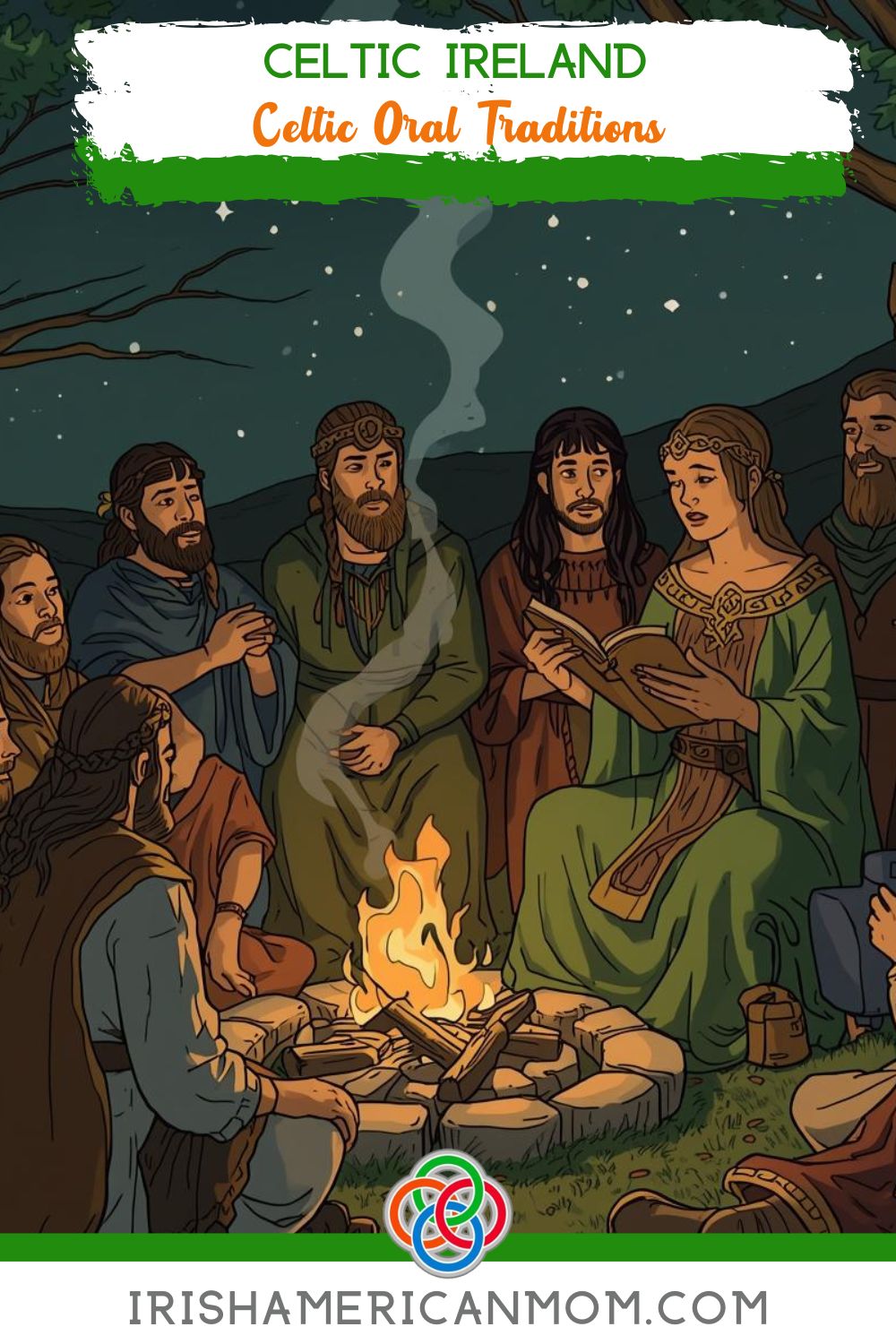
At the heart of this system were the druids, who served as religious leaders, judges, educators, and historians. They were responsible for preserving laws, genealogies, spiritual beliefs, and collective memory. Training as a druid could take many years, emphasizing learning by heart rather than writing things down.
Later, as Christianity spread through Ireland, monks recorded many of these stories in writing. While they reshaped and reinterpreted them through a Christian lens, much of ancient Celtic mythology survived thanks to this transition.
Beliefs, Art, and the Celtic Worldview
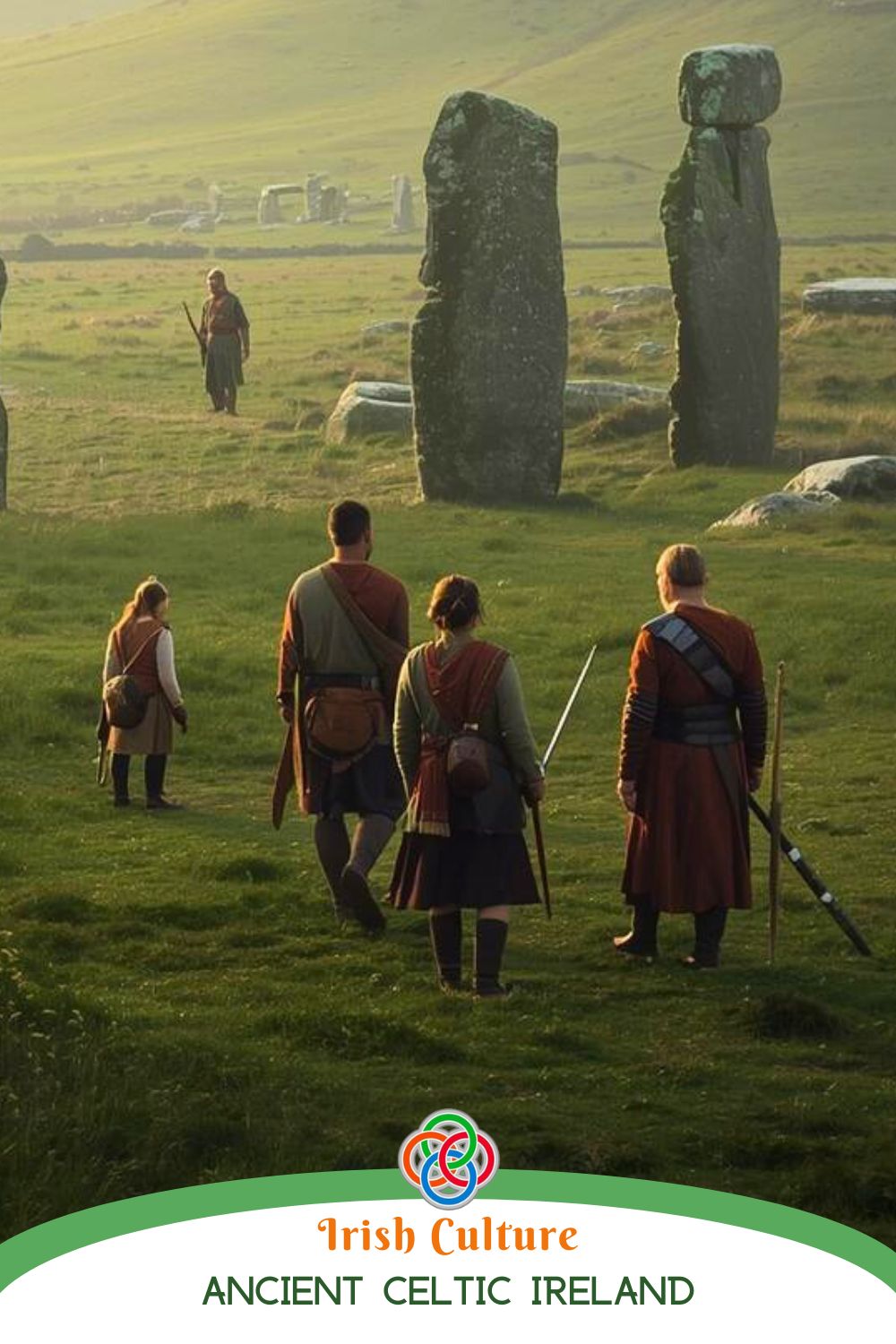
Celtic spirituality was deeply connected to nature and the cycles of the year. Sacred wells, groves, hills, and seasonal festivals marked important moments of transition such as birth, life, death, harvest, and renewal.
Some Celtic practices can feel unsettling to modern readers, including ritual sacrifice in certain regions and periods. But others feel strikingly familiar: reverence for ancestors, belief in the closeness of the spiritual world, and the idea that the veil between worlds can thin at certain times.
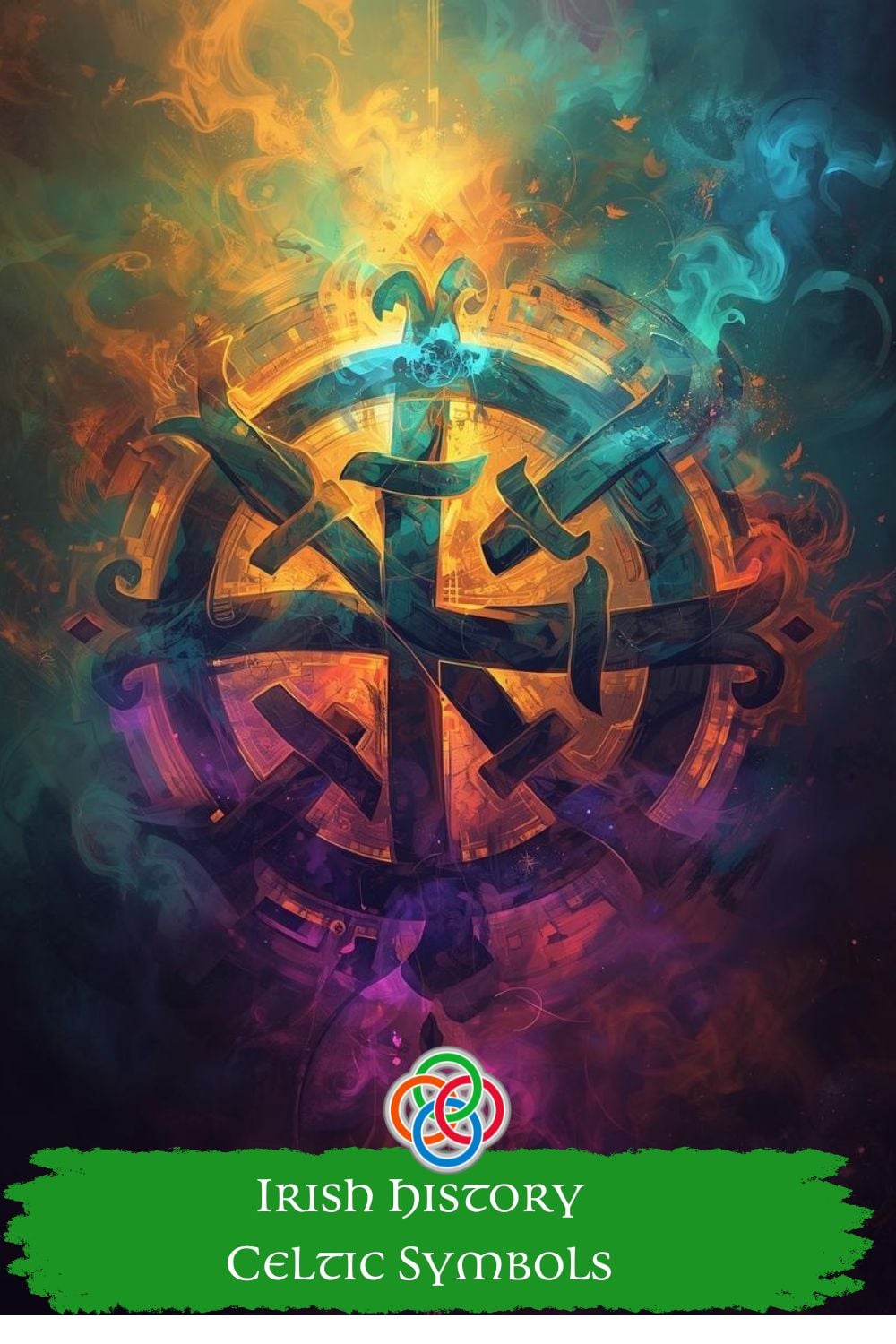
Celtic art reflects this worldview. Flowing knotwork, spirals, and interlaced designs symbolize continuity, eternity, and interconnectedness, themes that later became central to Irish Christian art as well.
Ogham: A Distinctly Celtic Form of Writing
One of the most tangible links between the ancient Celts and early Ireland is ogham, a unique writing system that developed in Ireland between the 4th and 6th centuries AD. Ogham was used to write Primitive Irish, one of the earliest recorded Celtic languages, making it a clear expression of Irish Celtic culture rather than a borrowed Roman script.
The ogham alphabet consists of short lines and notches carved along the edge of stone pillars, with most inscriptions recording personal and family names.
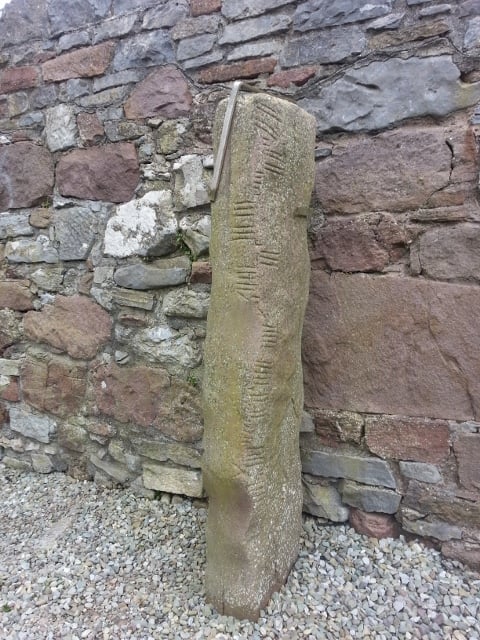
These stones often marked land boundaries, burial places, or kinship lines, concerns that lay at the very heart of Celtic society. While ogham may have been influenced by contact with Latin literacy, its form, purpose, and language are deeply rooted in the native Celtic world of Ireland.
Today, ogham stones can still be found standing in the Irish landscape, particularly in the south and west of the country, quietly bearing witness to a society that valued ancestry, memory, and connection to place. They remain powerful reminders that Celtic culture was not only spoken and sung, but also literally carved into the land itself.
How Celtic Culture Lives On Today
Though the ancient Celts are long gone, their influence is everywhere, especially in Ireland and among the Irish diaspora.
Celtic Roots of Halloween
Halloween traces its origins to Samhain, a Celtic festival marking the end of the harvest and the beginning of winter. It was believed that during this time, the boundary between the living and the dead grew thin.
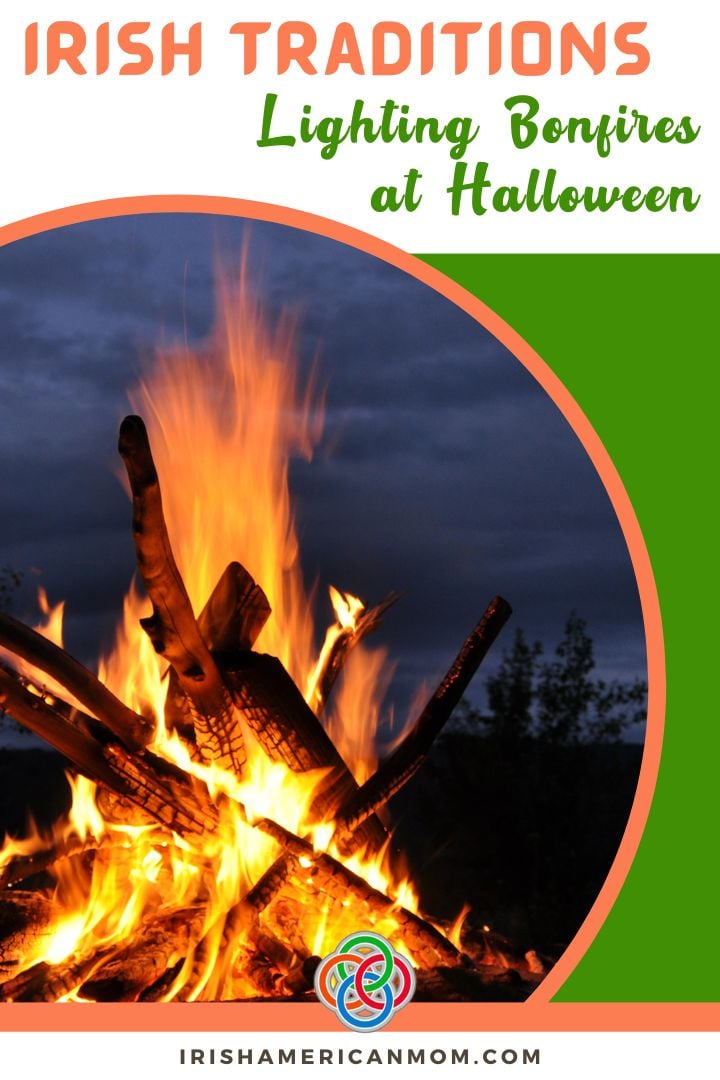
Bonfires, costumes, and symbolic offerings were meant to protect communities and honor ancestors, practices that evolved over time into modern Halloween traditions.
Symbols and Craft
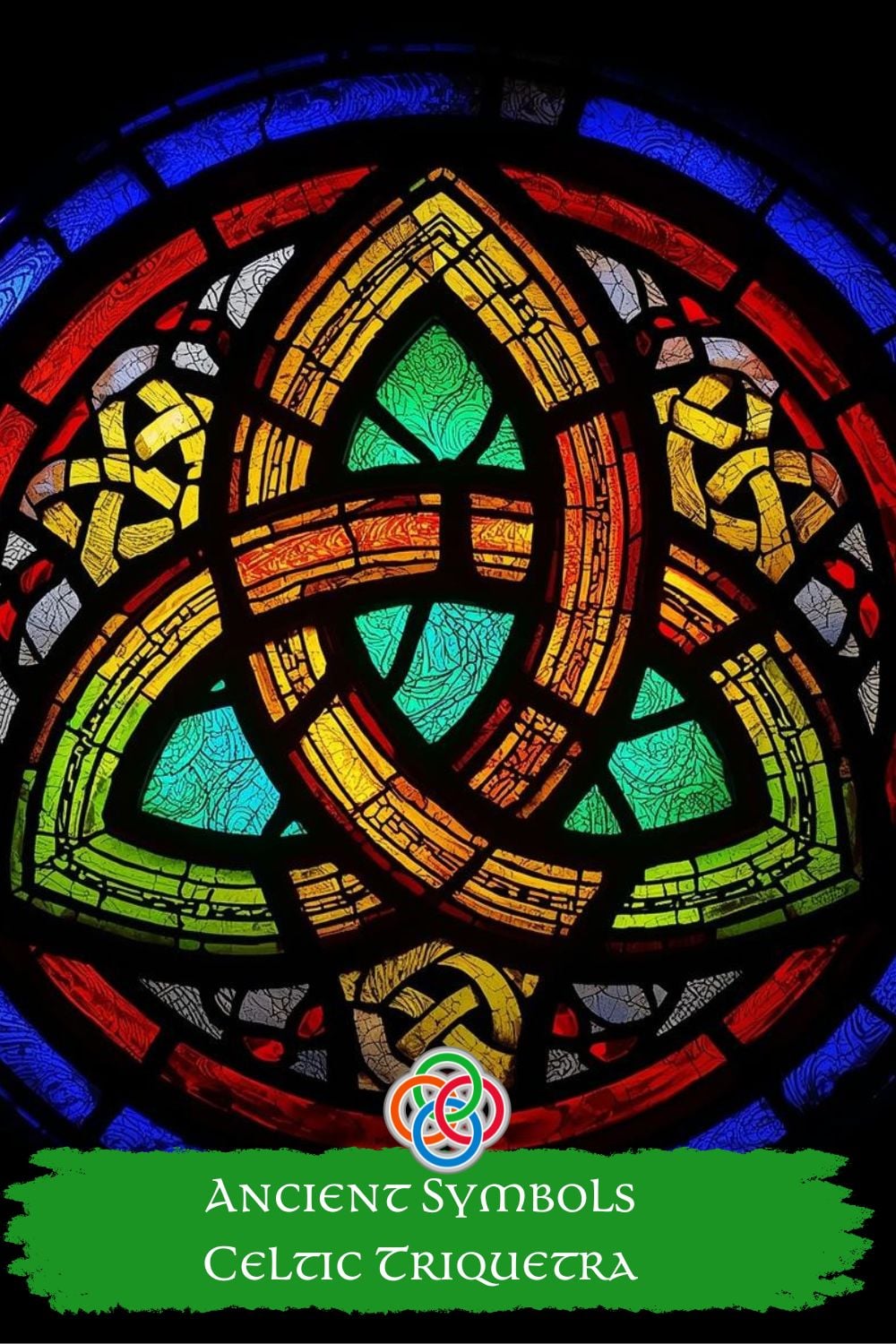
From the Claddagh ring to the Celtic cross, ancient symbols still express values of love, loyalty, faith, and continuity. These designs are more than decorative, they are visual echoes of a Celtic worldview.
Intricate Celtic artwork carved into large stones and boulders, especially the swirling spiral motifs at Newgrange and Knowth, reveals a deep symbolic language rooted in ancient beliefs about cycles, eternity, and the sacred connection between land, life, and the cosmos.
Language
Irish (Gaeilge), Scottish Gaelic, and Welsh all belong to the Celtic language family, descended from the speech of ancient tribes. When you hear Irish spoken today, you're listening to a living link to the ancient past.
Music
Traditional Irish music, with fiddles, flutes, whistles, pipes, and rhythmic storytelling, reflects the oral culture of the Celts. Music wasn't entertainment alone. It was memory, history, and identity.
Celtic and Irish: Not the Same, But Inseparable
It's important to say this clearly: Celtic culture is not identical to Irish culture, but the two are inseparably woven together.
Irish culture grew out of Celtic foundations, shaped later by Christianity, Norse influence, colonization, famine, and emigration. To understand Irish identity fully, especially for those of us in the diaspora, we must understand this deeper Celtic layer beneath the surface.
When you explore your Irish ancestry, you're not just tracing names and dates. You're stepping into a story shaped by ancient memory, resilience, and a profound sense of belonging, a story that still lives on in language, music, ritual, and heart.
And perhaps that's why learning about the Celts feels so personal. Their world may be ancient, but their legacy is alive, in Ireland, in Irish America, and in you.

Slán agus beannacht,
(Goodbye and blessings)
Mairéad -Irish American Mom
Pronunciation - slawn ah-gus ban-ock-th
Mairéad - rhymes with parade
Irish Superstitions
- More Chills from the Celtic Shadows: 5 Lesser-Known Irish Spooks and Spirits
- The Wailing Banshee in Irish Mythology
- Five Spooky Irish Folktales for Halloween
- What Are The Scaraveens?


Land and Culture
- The Night Of The Big Wind
- Explore The Origins Of The Celtic Festival Of Imbolc
- Dunluce Castle: History and Cultural Relevance
- The Fascinating History of Ancient Irish Trees






Maura
Great article. Thanks.
Irish American Mom
Hi Maura - Thank you so much for taking the time to read it and leave a kind comment — I really appreciate it! I’m delighted you enjoyed the article.
All the best,
Mairéad
Eileen kosik
I am fascinated with all the articles you wrote. I feel very thankful for all the information you give about the history of the Celts and everything Irish.
Gratefully,
Eileen. From the Bronx, NY
Irish American Mom
Dear Eileen - Thank you so much for your lovely message. It truly means a great deal. Knowing that someone in the Bronx is reading about the Celts and feeling connected to Irish history makes all the research and writing worthwhile. The story of the Celts stretches across centuries and landscapes, but at its heart it’s about people, their beliefs, their artistry, their resilience, and the echoes they’ve left behind in language and tradition. It’s a joy to share that story with readers who feel that spark of fascination. I’m especially touched that you took the time to write so graciously. There’s something rather beautiful about Irish history travelling across the Atlantic and finding a home in New York.
All the best,
Mairéad ☘️
Jean
Hello Mairead
Thank you for sharing the details that make history interesting.
A very nice explanation of so many things Irish that I now understand them better.
Irish American Mom
Hi Jean - Thank you so much for your kind words. They truly mean a lot. History can sometimes feel distant or complicated, so I’m always glad when the details help bring it into clearer focus. The story of the Celts is woven through so many aspects of Irish culture such as language, landscape, and traditions. Once you begin to see those threads, so much else starts to make sense. I’m delighted that the post helped deepen your understanding. That is exactly why I love writing about these subjects.
All the best,
Mairéad ☘️