

How did March 17th become a celebration of Irish heritage across the United States?
Every year on March 17th something remarkable happens across the United States. Cities turn green. Parades wind their way through streets large and small.
Irish music spills out of pubs and community halls. Families gather around tables laden with soda bread, corned beef, cabbage, and perhaps a cup of strong tea.
For many Americans it is simply a festive day filled with laughter and celebration. But for Irish Americans, Saint Patrick's Day is something deeper.
It is a day to remember where their families came from. A day to celebrate resilience and heritage. A day when the story of the Irish journey to America is told once again.
What many people may not realize is that the Saint Patrick's Day celebrations we know today were shaped in large part by Irish immigrants in America.
And I first understood that truth on a cold March day in Elmira, New York way back in the 1980's.
Table of Contents
- My First American Saint Patrick's Day - Elmira, New York
- The Holiday That America Helped Shape
- The Irish Spread Across America
- Chicago - The River That Turns Green
- Savannah - The South's Irish Celebration
- Butte, Montana - The Ireland of the Rockies
- New Orleans - Irish Traditions with a Souther and Cajun Twist
- Scranton - Coal Country Irish Heritage
- Smaller Cities with Big Irish Pride
- A Symbol of Irish Resilience
- The Story Continues
- Three Surprising Facts About Saint Patrick's Day in America
- A Final Reflection
My First American Saint Patrick's Day - Elmira, New York
My first Saint Patrick's Day celebration in the United States took place in Elmira, New York. At the time I was living and working there at the local hospital along with friends from Ireland. Like many young Irish people, we had crossed the Atlantic for work and adventure, carrying with us our accents, our stories, and our memories of home.
In Ireland, when I was growing up, Saint Patrick's Day was certainly a special occasion. But it was often celebrated in a quieter way than what I would soon witness in America. It was a religious feast day, a day to attend Mass, wear a sprig of shamrock, and perhaps gather for a family meal.
Elmira introduced me to a completely different version of the holiday. The enthusiasm of the people amazed me.
Families lined the streets early in the morning waiting for the parade to begin. Children waved Irish flags. Everywhere you looked there were green scarves, shamrocks, and smiles. What struck me most was the pride people felt in their Irish heritage.
Many of those celebrating were generations removed from Ireland, yet their connection to their roots remained strong and heartfelt.
At one point during the festivities, a local news crew approached us. Word had spread that Irish-born physical therapists were living and working at the hospital, and the reporters were eager to hear our thoughts.
Before we knew it, we found ourselves sitting in front of a camera in the local pub, being interviewed about Saint Patrick's Day traditions in Ireland.
We chatted about home, about Irish customs, and about how surprised we were to see such joyful celebrations taking place so far from the island where Saint Patrick once walked.
That moment stayed with me. Being there in Elmira, surrounded by people proudly celebrating their Irish roots, I realized something important. Saint Patrick's Day in America was not just a holiday.
It was a celebration of identity.
The Holiday That America Helped Shape
For centuries in Ireland, Saint Patrick's Day was primarily a religious feast day honoring the patron saint who brought Christianity to the island.
But when Irish immigrants arrived in America, the holiday began to take on new meaning.
One of the earliest recorded celebrations took place in Boston in 1737. Later, in 1762, Irish soldiers serving in the British Army marched in what would become New York City's famous Saint Patrick's Day parade.
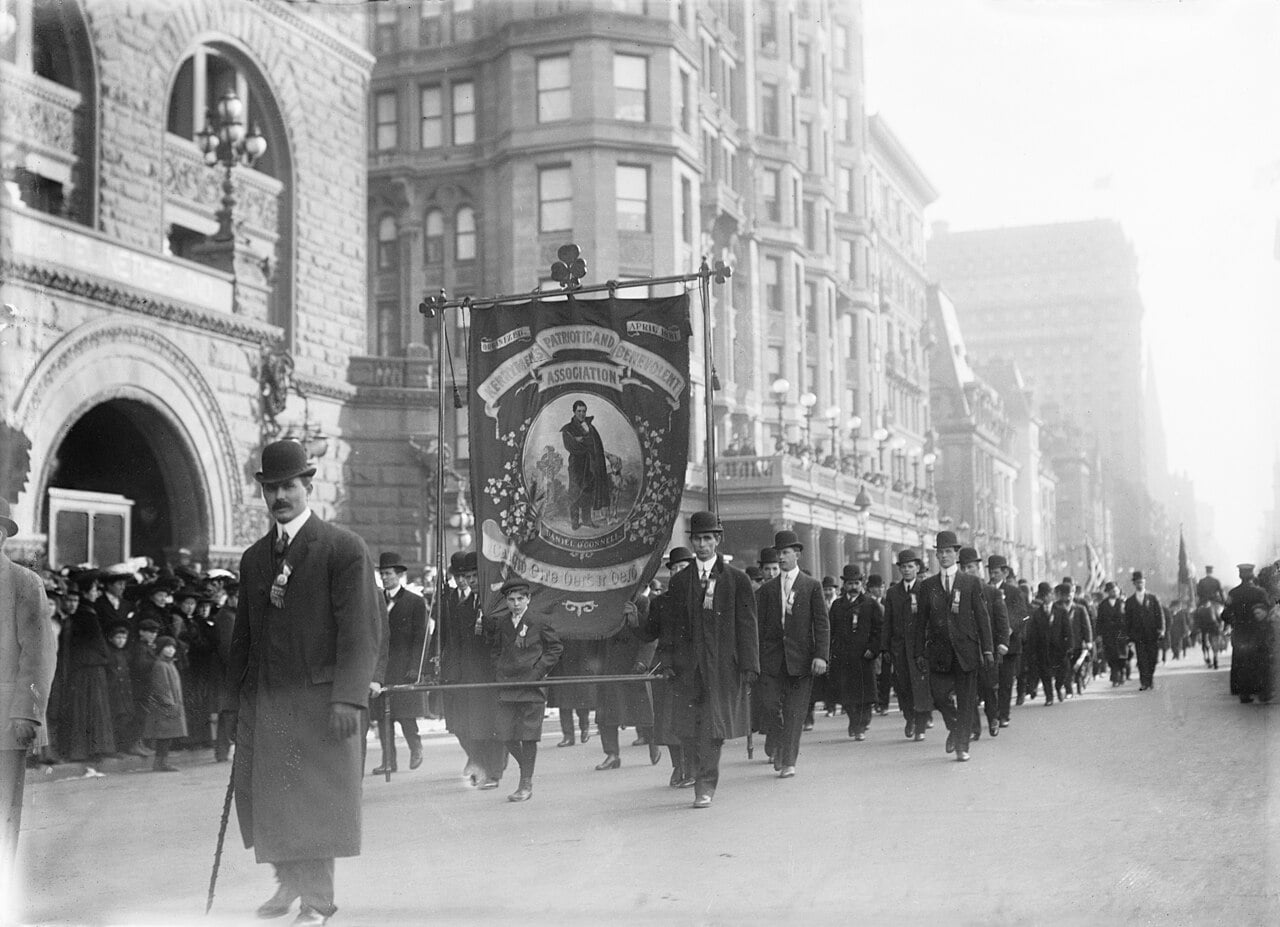
Far from home, Irish immigrants found comfort in gathering together to celebrate their heritage. Parades, music, and public celebrations allowed them to express pride in their identity at a time when they were often outsiders in American society.
Over time these celebrations grew larger and more elaborate. What began as small gatherings gradually evolved into the grand public festivals we see today.
The Irish Spread Across America
The expansion of Saint Patrick's Day celebrations closely followed the migration of Irish immigrants throughout the United States.
The Great Famine of the 1840's forced millions to leave Ireland in search of survival. Many arrived in America and settled wherever work could be found.
Irish immigrants helped build railroads that stretched across the continent. They dug canals, worked in factories, and labored in mines.
Wherever Irish communities formed, Saint Patrick's Day celebrations soon followed.
March 17th became a day when immigrants could gather together, remember their homeland, and celebrate the strength of their community in a new country.
Chicago - The River That Turns Green
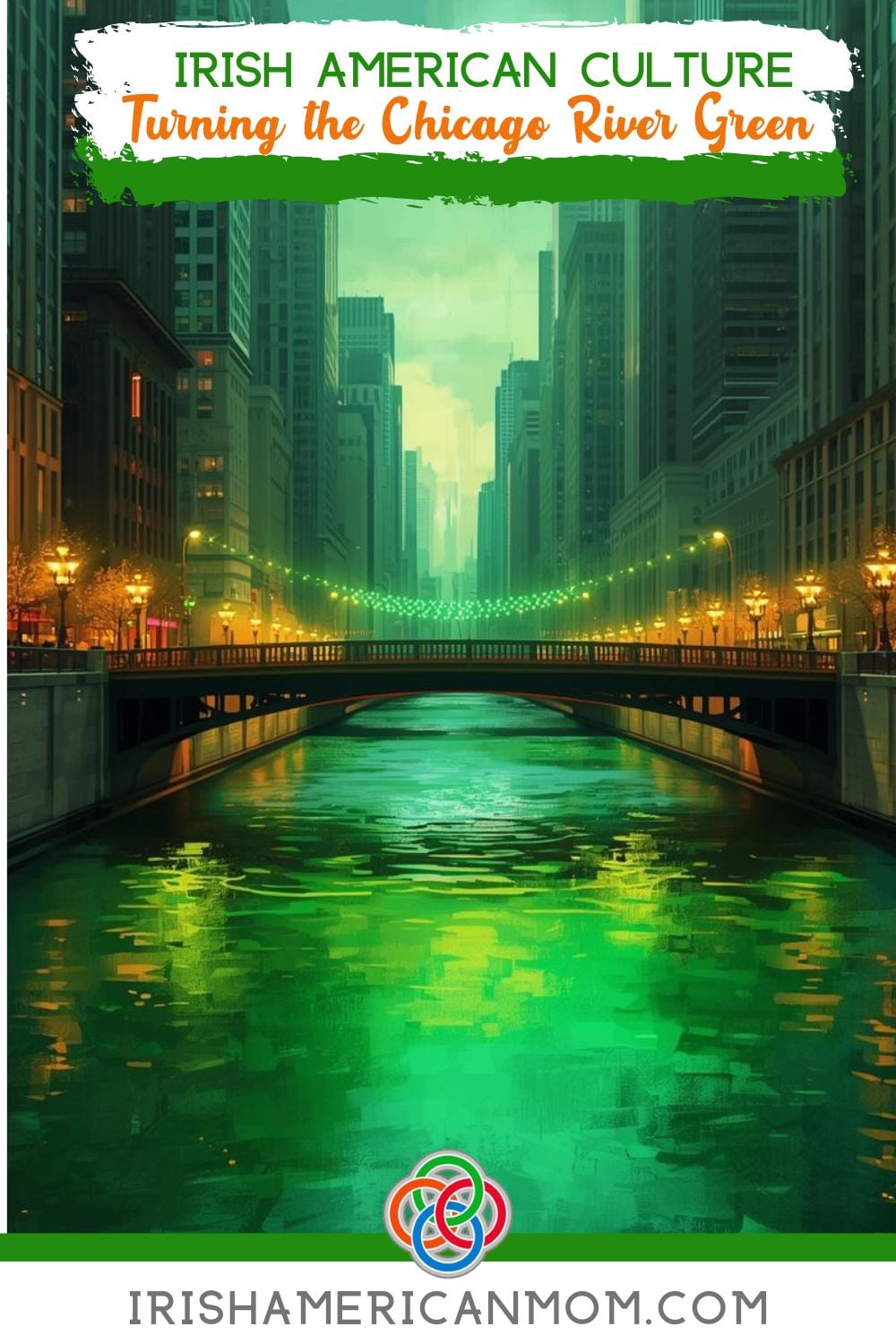
Few Saint Patrick's Day traditions are as famous as the bright green waters of the Chicago River.
This unique tradition began in 1962 when city workers used a dye to trace pollution leaks in the river. The dye turned the water a brilliant shade of green, and the idea quickly became a beloved annual event.
Each year thousands gather along the riverbanks to watch the transformation before the city's parade begins.
Chicago's Irish population grew rapidly during the nineteenth century as immigrants arrived to work on canals, railroads, and in factories.
Entire neighborhoods developed strong Irish identities, and Irish Americans would go on to play an important role in the city's political life.
On Saint Patrick's Day, Chicago proudly celebrates the generations of Irish families who helped build the city.
Savannah - The South's Irish Celebration
Savannah, Georgia may seem an unlikely place for one of the largest Saint Patrick's Day celebrations in America. Yet the city hosts a truly remarkable parade each year.
Irish immigrants began arriving in Savannah in the early nineteenth century, many of them fleeing hardship and famine in Ireland. The port city offered opportunity, and Irish workers helped shape the growing community.
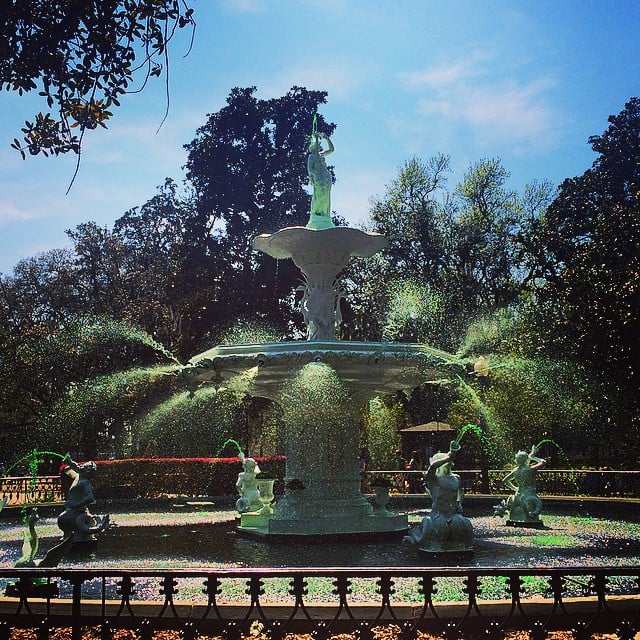
Catholic churches became important gathering places for Irish families, and Saint Patrick's Day celebrations grew steadily over time.
Today hundreds of thousands of visitors gather in Savannah each March to enjoy one of the most vibrant Saint Patrick's Day celebrations in the United States.
Butte, Montana - The Ireland of the Rockies
High in the Rocky Mountains sits Butte, Montana, once known as the "Ireland of the Rockies."
During the late nineteenth century, Butte became one of the world's most important copper mining centers. The mines attracted workers from many parts of the world, but Irish immigrants quickly became one of the dominant communities.
Many Irish came from West Cork, where they had worked the copper mines of Allihies, on the Beara Peninsula.
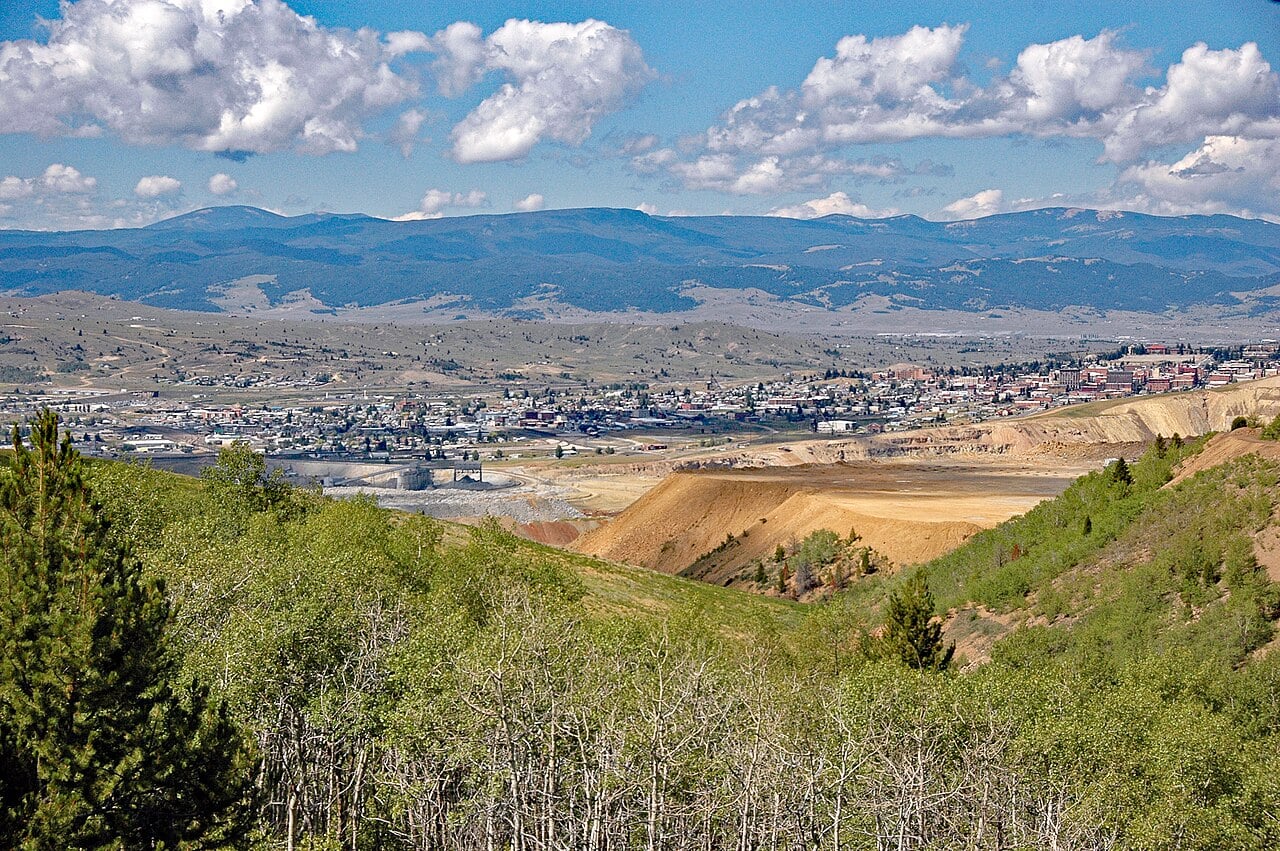
Irish culture shaped the city's politics, labor unions, and social life.
Naturally, Saint Patrick's Day became one of the town's most cherished celebrations.
Even today Butte's parade honors the generations of Irish miners whose hard work built the city.
New Orleans - Irish Traditions with a Souther and Cajun Twist
In New Orleans, Saint Patrick's Day carries its own distinctive flavor.
Irish immigrants arrived in the city in large numbers during the nineteenth century, many of them working on the New Basin Canal.
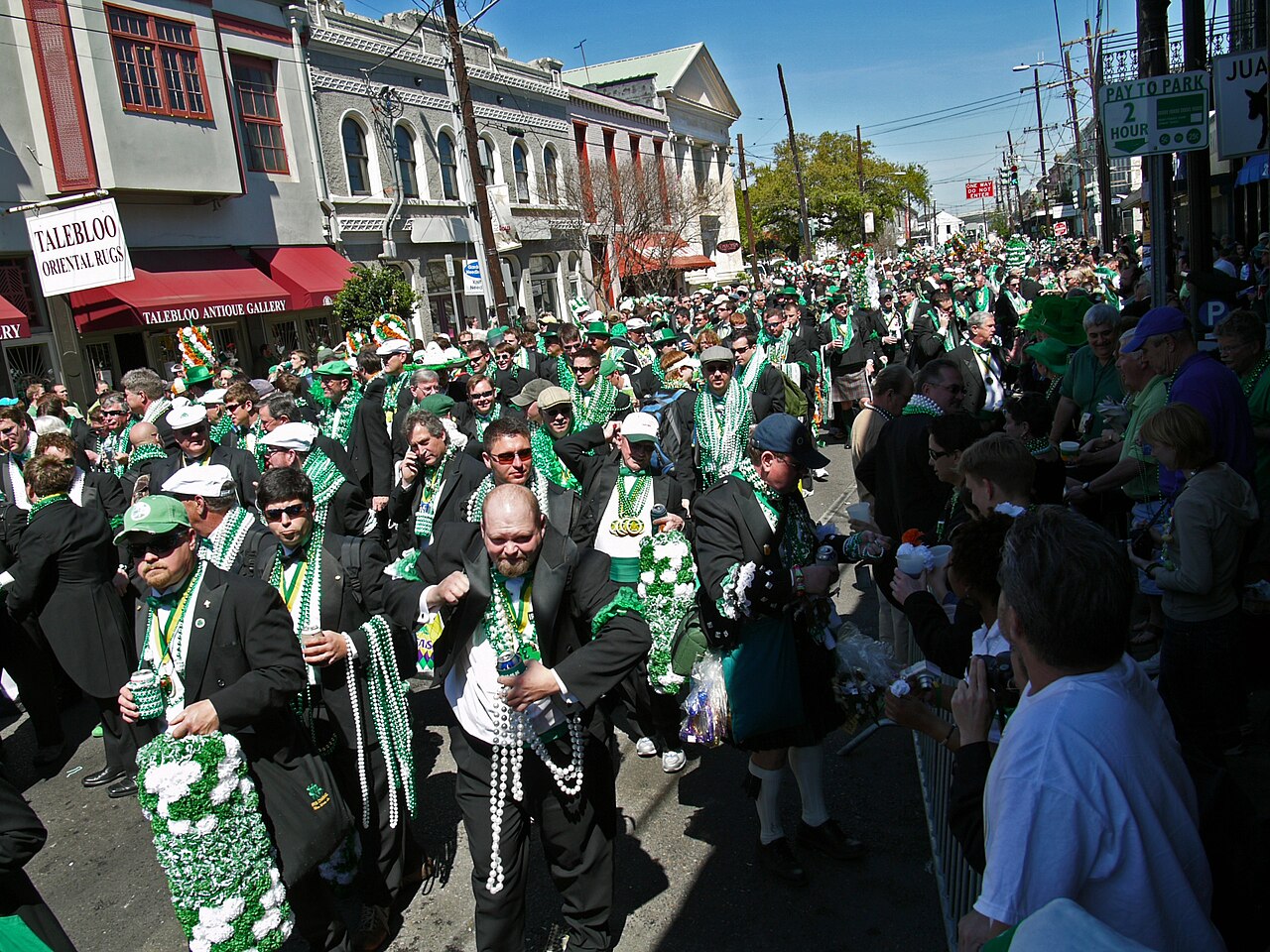
Today the city celebrates with lively parades where floats toss ingredients for Irish stew, like cabbages, carrots, and potatoes, to the cheering crowds.
It is a uniquely New Orleans blend of Irish tradition and the joyful spirit for which the city is famous.
Scranton - Coal Country Irish Heritage
In the hills of Pennsylvania, Scranton tells another chapter of the Irish American story.
Irish immigrants came to the region to work in coal mines during the nineteenth century.
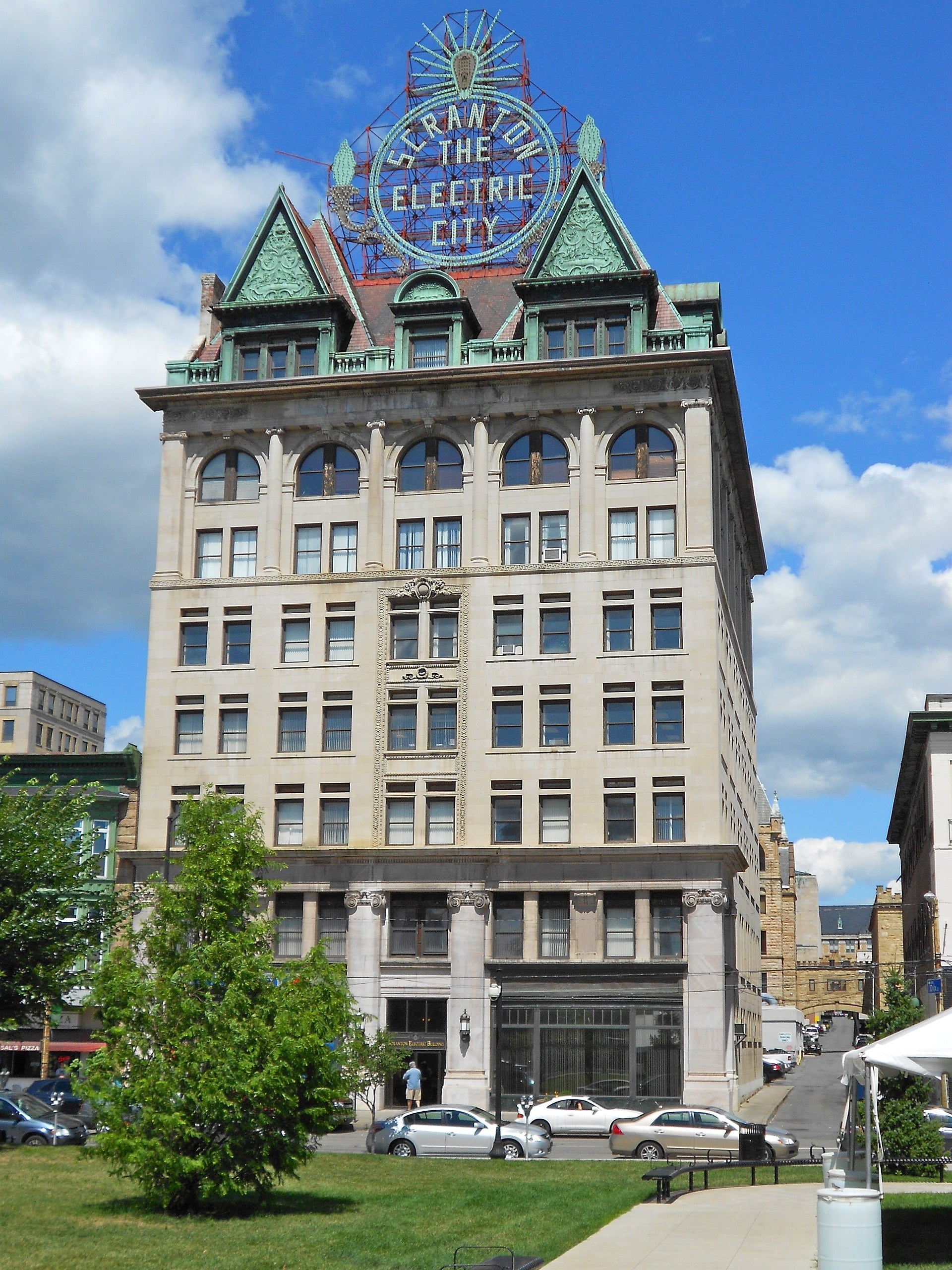
Life was difficult and dangerous, but families built strong communities centered around church and neighborhood.
Scranton's Saint Patrick's Day parade remains one of the largest in the United States, honoring the generations of Irish workers who helped power America's industrial growth.
Smaller Cities with Big Irish Pride
Some of the most heartfelt Saint Patrick's Day celebrations take place in smaller communities where Irish heritage runs deep.
Holyoke, Massachusetts, a relatively small city, hosts one of the largest Saint Patrick's Day parades in the country. Irish immigrants once worked in the city's mills and factories, and their descendants continue the celebration today.
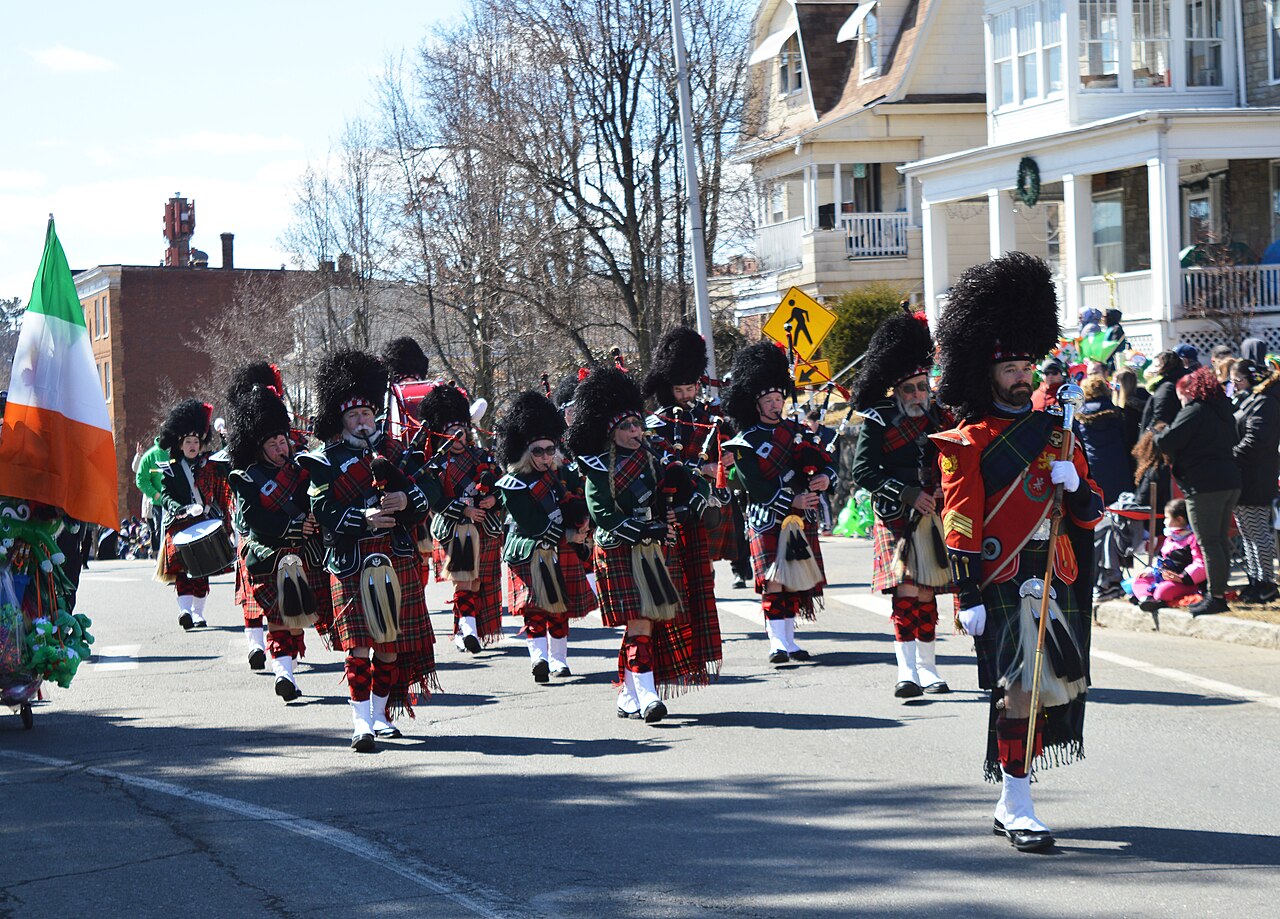
In Kansas City, Missouri, Irish immigrants helped build railroads and develop this growing Midwest city. Today families gather each year along the parade route to celebrate their shared heritage.
In Syracuse, New York, Irish immigrants once worked on the Erie Canal and in the salt industry. The city's Saint Patrick's parade remains a beloved tradition passed down through generations.
A Symbol of Irish Resilience
For many Irish immigrants, life in America was not easy. They faced poverty, discrimination, and harsh working conditions. Yet they built communities filled with faith, family, and cultural pride.
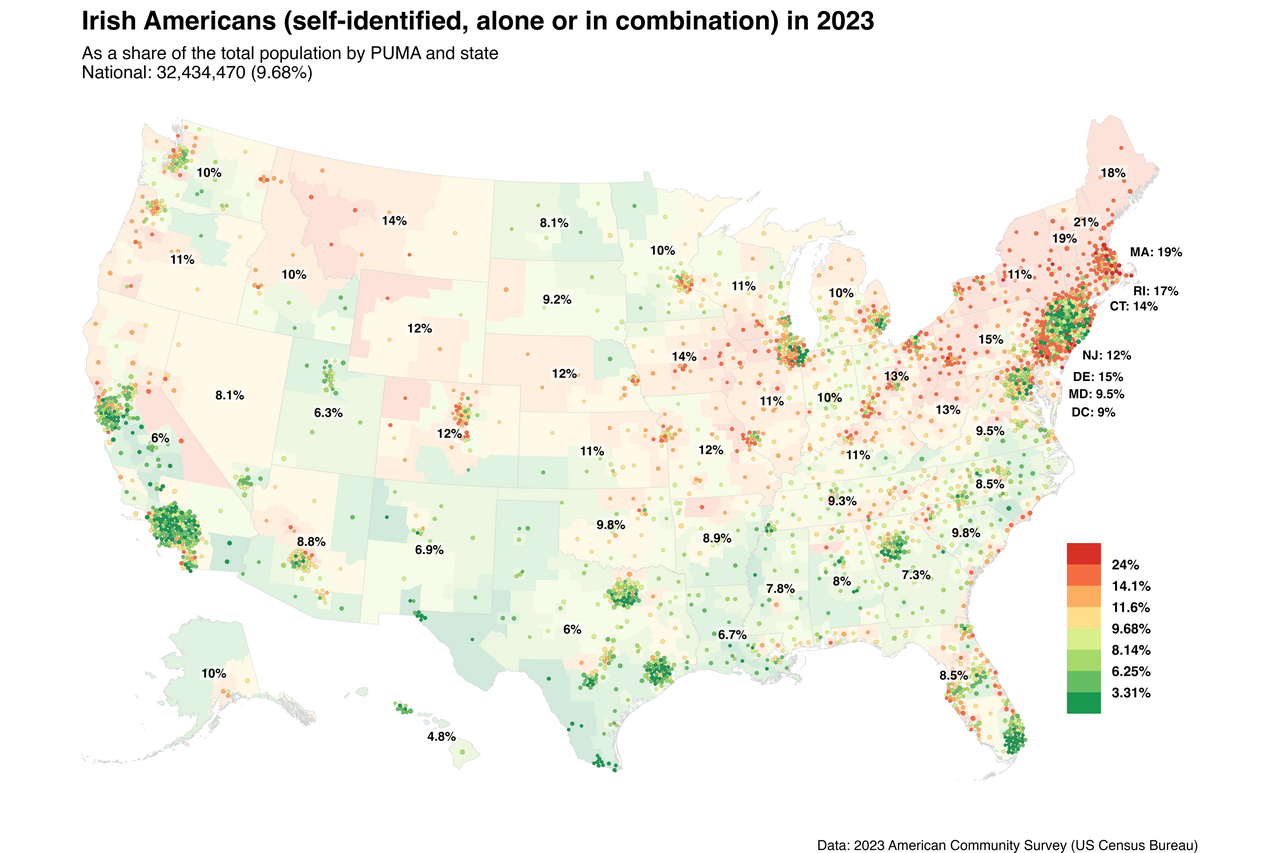
Saint Patrick's Day celebrations became powerful symbols of unity. Parades allowed Irish Americans to proudly celebrate their heritage and affirm their place in American society.
Over time, what began as a religious feast day grew into a celebration of the Irish spirit itself.
The Story Continues
Today Saint Patrick's Day is celebrated by people of every background.
Rivers turn green. Cities host parades. Music and laughter fill the air.
But beneath the festivities lies a deeper story.
It is the story of immigrants who crossed an ocean seeking hope.
It is the story of families who carried their traditions with them and passed them down through generations.
And it is the story of how a small island's culture took root across an entire continent.
Three Surprising Facts About Saint Patrick's Day in America
1. The first Saint Patrick's Day parades were held in America, not Ireland. Public parades began in American cities long before they became common in Ireland.
2. Corned beef and cabbage is actually an Irish-American tradition.
In Ireland, bacon and cabbage was more common. Irish immigrants in America substituted corned beef because it was more affordable and widely available.
3. Some of the biggest Saint Patrick's Day celebrations happen in unexpected places. Cities like Savannah, Holyoke, and Butte host enormous celebrations that rival those of much larger cities.
A Final Reflection
Whenever Saint Patrick's Day comes around, I often think back to that first celebration I experienced in Elmira.
Standing there with my friends from Ireland, surrounded by smiling families proudly celebrating their Irish heritage, I realized something truly special.
Ireland had travelled far beyond its shores.
Its stories, traditions, and spirit had taken root in towns and cities across America.
From Savannah's southern streets to Chicago's green river, from the mines of Butte to the neighborhoods of Syracuse, the Irish journey continues to be remembered each March.
Saint Patrick's Day reminds us that heritage is not only about where we come from. It is also about how those stories live on, carried in the hearts of people who may be generations removed from Ireland, yet still feel a deep connection to the land of their ancestors.
And every March 17th, across America, that connection is celebrated with joy.
Irish heritage lives on in communities all across America. So, where do you celebrate Saint Patrick's Day?
I would love to hear about the traditions in your town or the stories passed down in your family in the comment section below. Thanks for joining our community discussions.

Slán agus beannacht,
(Goodbye and blessings)
Mairéad -Irish American Mom
Pronunciation - slawn ah-gus ban-ock-th
Mairéad - rhymes with parade
My American Journey
- Ellis Island
- The Early Bird Catches The Worm.
- Diaspora - Do I Like Or Loathe The Word?
- Olympic Thoughts



Irish Traditions
- Wren Day - An Irish Tradition On Saint Stephen's Day
- How The Irish Celebrate Saint Paddy's Day
- Saint Patrick's Day In America Versus Ireland
- Saint Patrick's Day Around The World





.jpg)


Leave a Reply