

In Ireland, culture was never kept in books alone. It lived in kitchens warm with turf smoke, in whispered prayers at bedside, in stories told while hands were busy with needle or spoon.
Long before Ireland's history was written down, it was remembered, and Irish women were its keepers.
Mothers, grandmothers, and aunts carried Ireland through centuries of upheaval including colonisation, famine, poverty, emigration, and loss. They preserved language, faith, foodways, and folklore not through grand gestures, but through everyday acts of care.
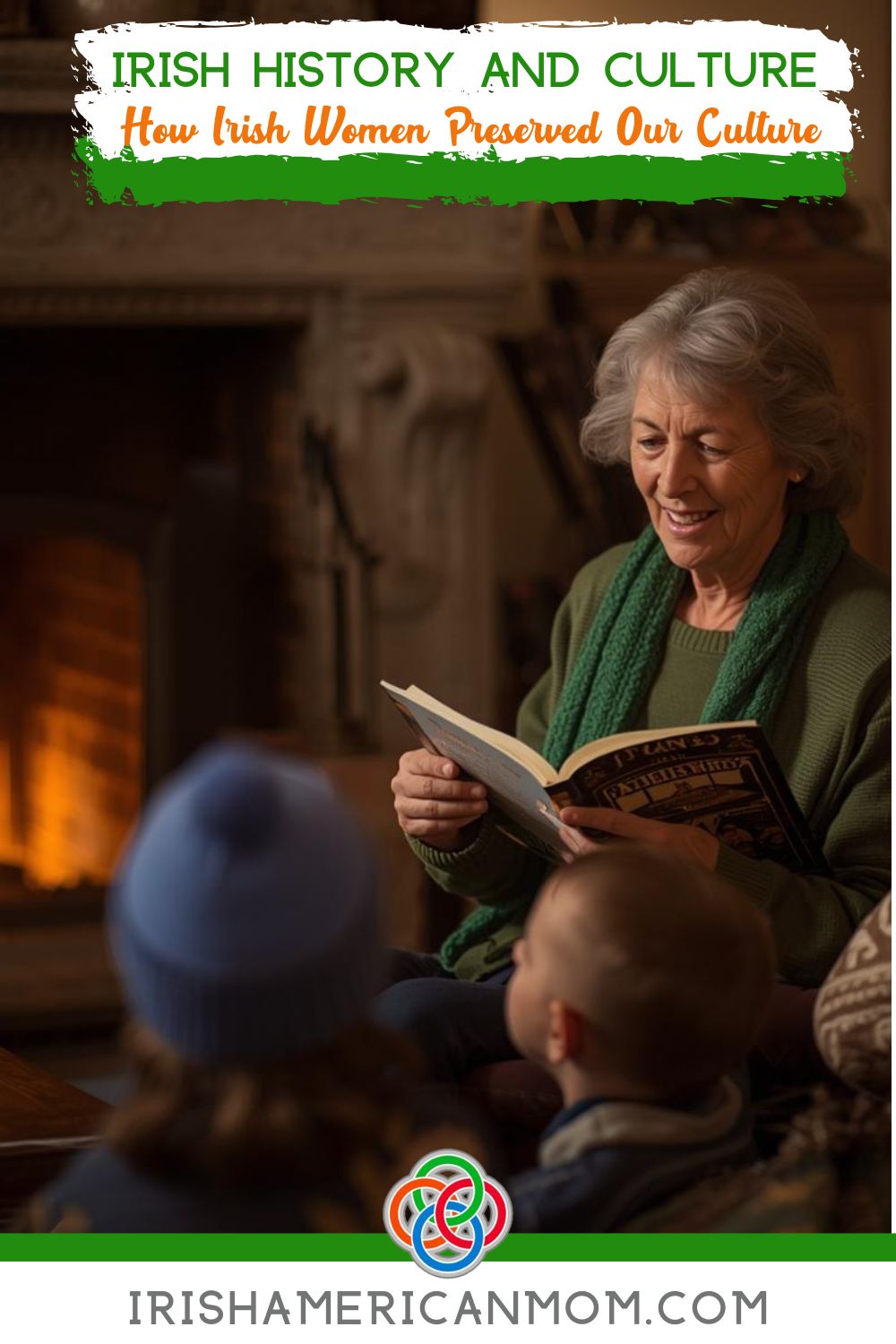
From hearth to heart, Irish women ensured that identity endured, both at home and far beyond Ireland's shores.
The Cultural Role of Irish Women Through History
Irish culture has survived centuries of upheaval, colonisation, famine, poverty, and mass emigration. It has remained strong and survived, not only through politics or literature, but through family life. At the centre of that survival were Irish women.
Mothers, grandmothers, and aunts preserved Irish culture in quiet, everyday ways. Through storytelling, faith, food, and family rituals, they ensured that traditions were passed from one generation to the next.
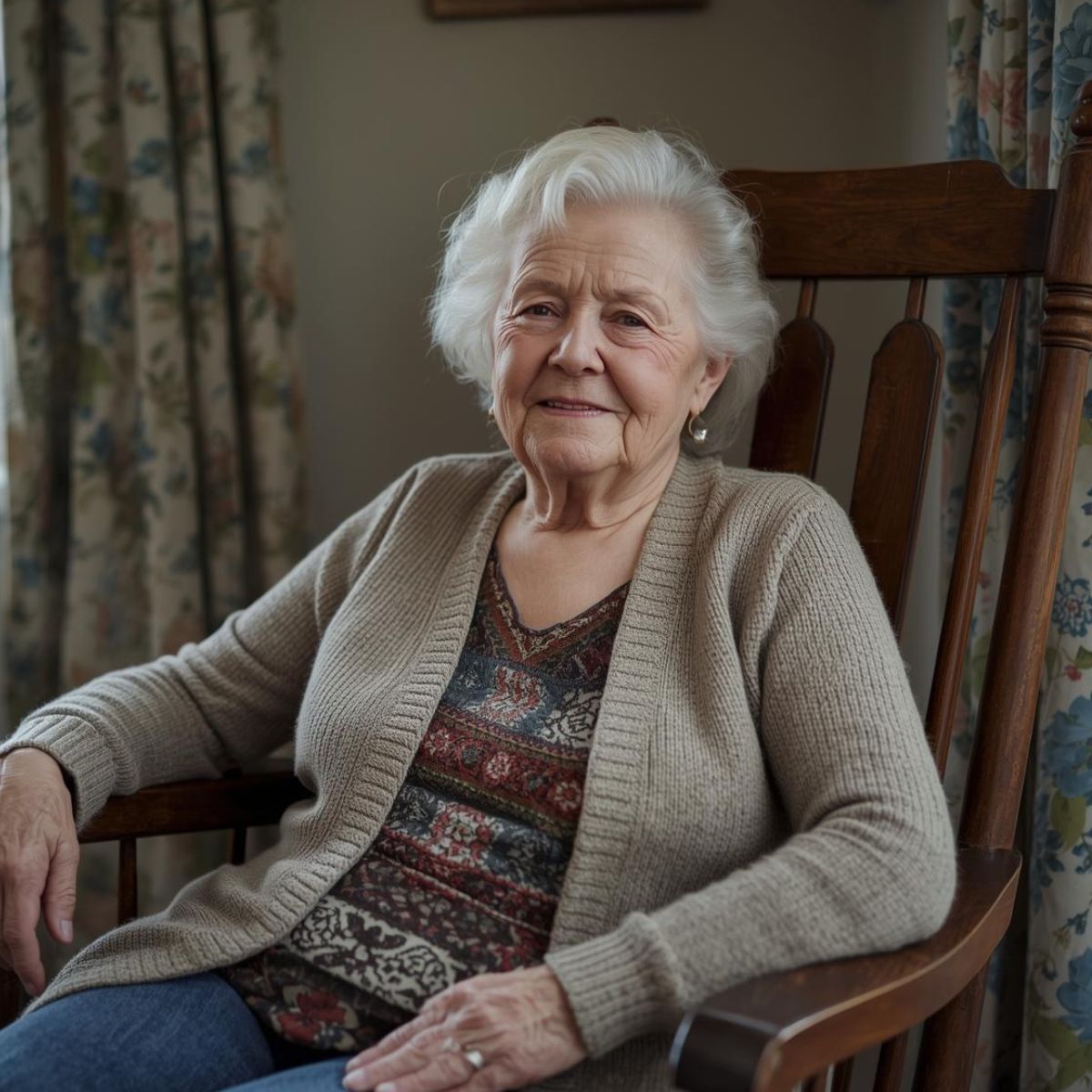
While history books often focus on public figures and events, the true continuity of Irish identity was safeguarded in homes and kitchens.
Irish women were not just caregivers; they were cultural guardians.
The Irish Hearth: Where Tradition Was Passed Down
In traditional Irish homes, the hearth was the heart of family life. It was a place of warmth, nourishment, and learning. Long before children encountered formal schooling, they absorbed Irish culture by listening and observing at home.
Irish mothers and grandmothers taught values through example. Children learned the value of hospitality, respect, resilience, and humour in the face of hardship.
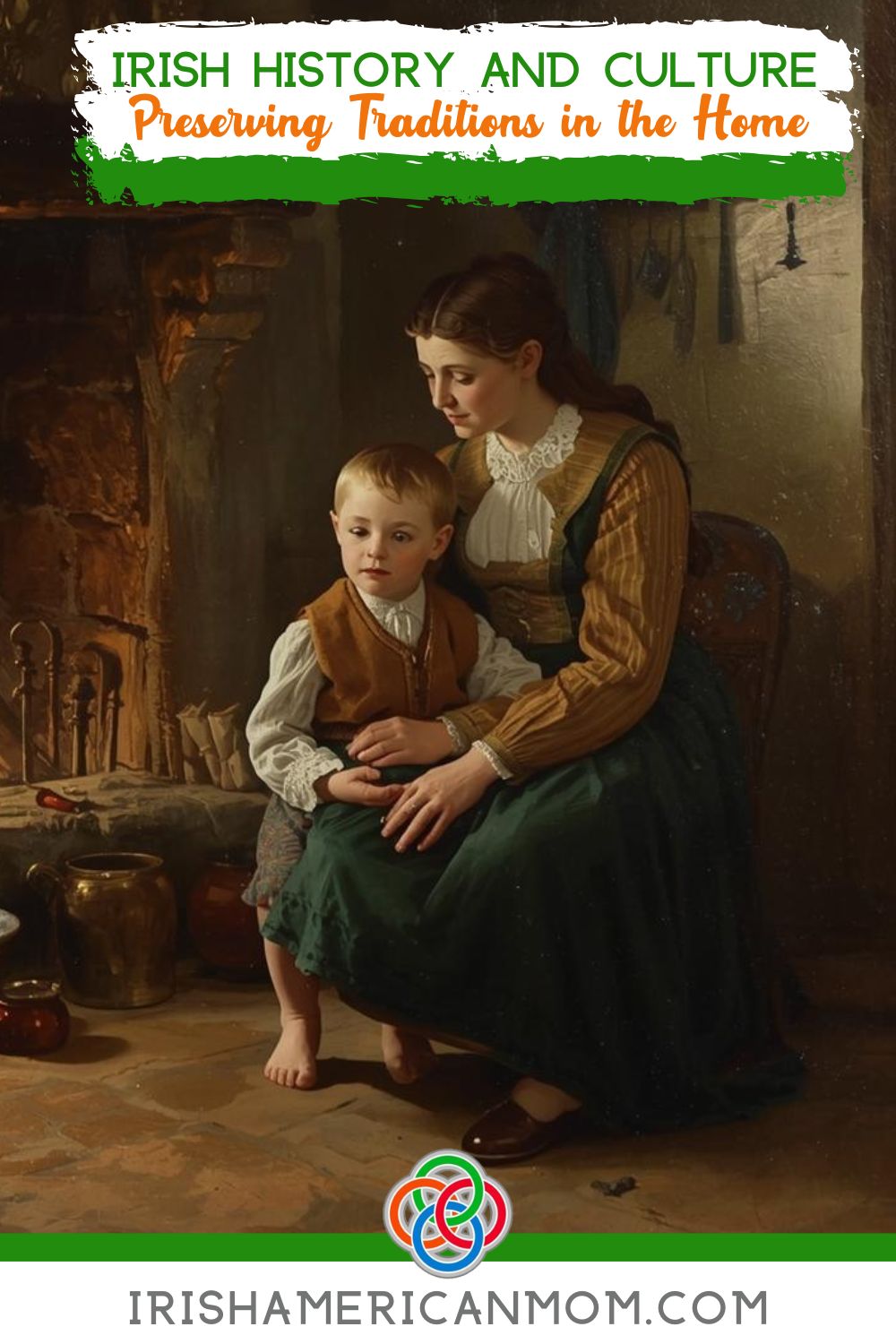
Storytelling played a central role. Folktales, family histories, and local legends were shared orally, preserving memory in a country where literacy was not always guaranteed.
This oral tradition allowed Irish culture to survive even during times when language, religion, and customs were actively suppressed.
Storytelling and Oral Tradition in Irish Families
Storytelling has always been central to Irish identity, and women were its primary storytellers within the home.
Around the fire, children learned about fairies and folklore, but also about right and wrong, bravery and caution, faith and fate. These stories often blended myth with lived experience, connecting children to both imagination and ancestry.
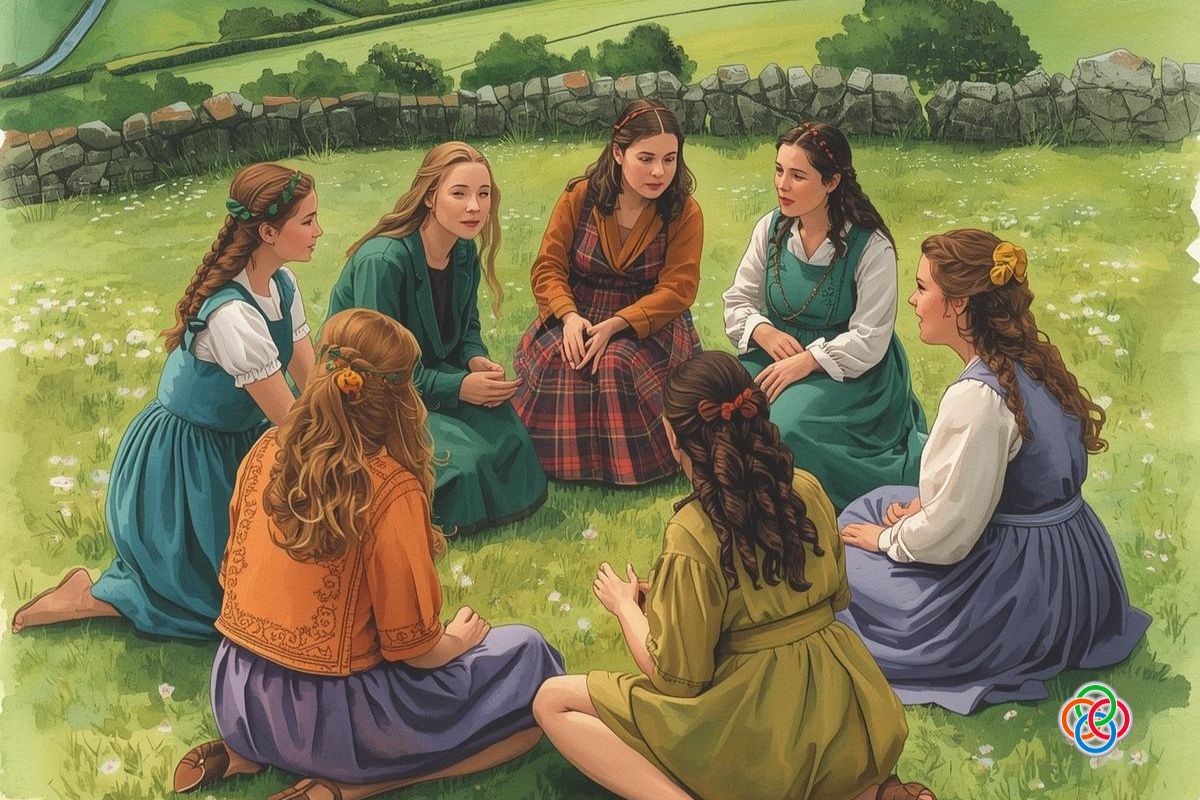
Irish grandmothers, in particular, acted as living archives, remembering family lineages, local events, and traditions that might otherwise have been lost. In this way, Irish women preserved history long before it was written down.
Irish Mothers and the Practice of Faith at Home
Faith has long been a defining feature of Irish life, and Irish women played a central role in maintaining religious practice within the family.
While churches and clergy were important, it was often mothers who shaped daily spirituality. Prayers said at bedtime, the Angelus during the day, holy water at the door, and candles lit for loved ones formed a deeply personal expression of faith.
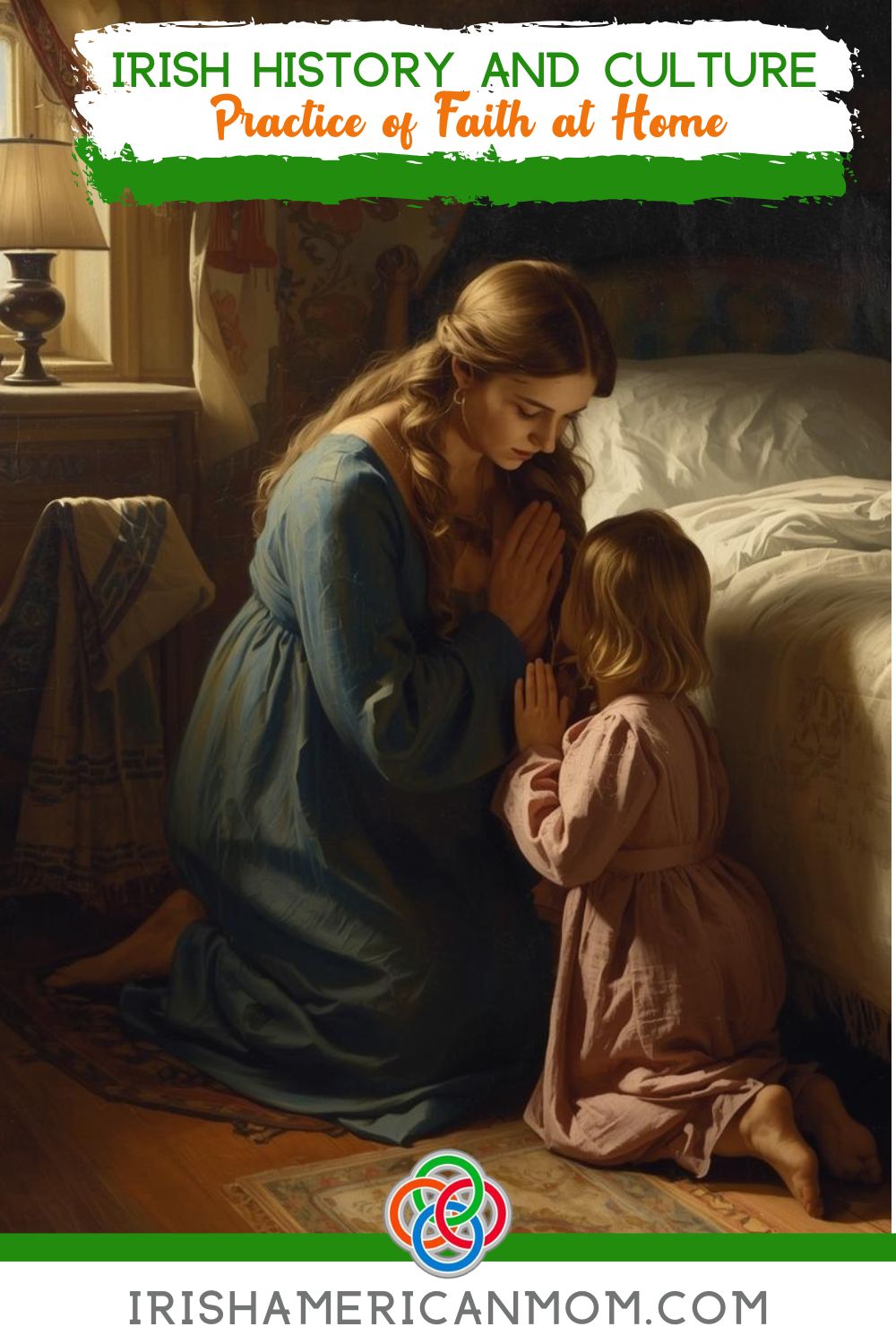
During times when formal religious practice was restricted or dangerous, Irish women ensured that belief endured quietly within the home.
Even in later generations, many Irish people carried prayers learned from mothers and grandmothers long after regular church attendance faded.
Irish Women, Food, and Cultural Memory
Food is one of the most enduring ways Irish women preserved culture.
Traditional Irish recipes were rarely written down. Instead, they were passed on through observation and practice. Mothers taught daughters how to bake bread, stretch meals, and cook seasonally with what was available.
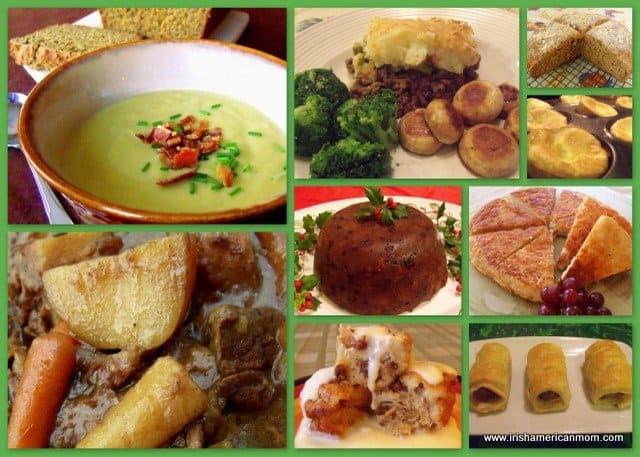
Simple dishes and foods like soda bread, porridge, stews, and apple cakes became deeply tied to memory and identity. These foods reflected Ireland's agricultural roots, economic hardship, and emphasis on making the most of limited resources.
In Irish-American families, these recipes became a tangible connection to the homeland, adapting to new ingredients while retaining familiar tastes.
Family Rituals and the Seasons of Irish Life
Irish women were also the keepers of life's rituals, many of which were never formally recorded.
They knew the customs surrounding birth, illness, death, and mourning. Women prepared homes for wakes, led prayers for the dead, and maintained traditions that helped families navigate grief.
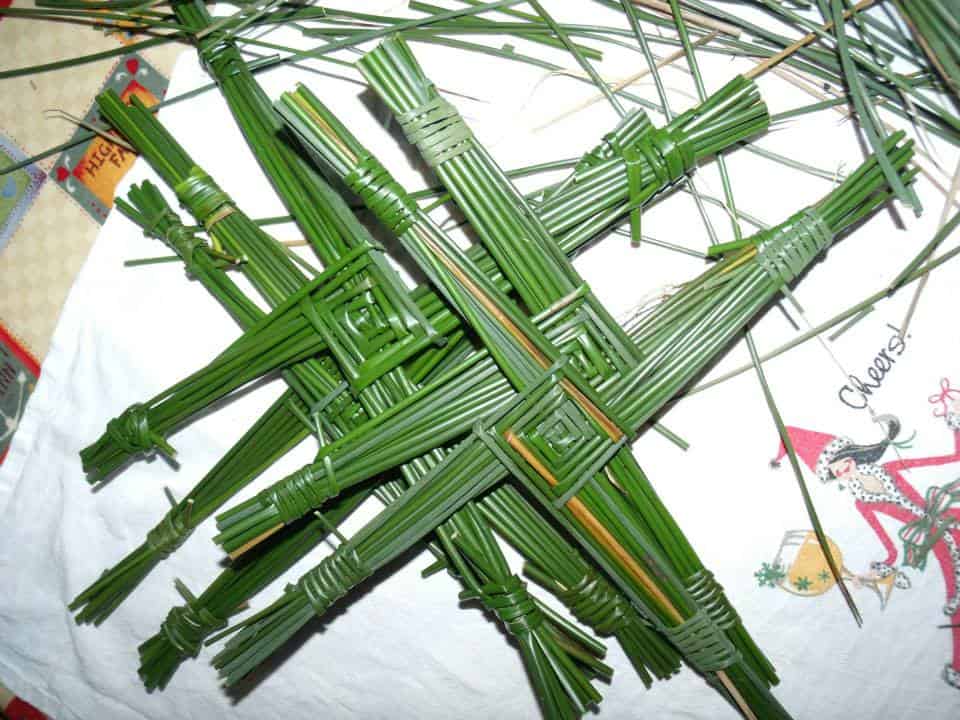
Seasonal traditions also rested largely in women's hands:
- Christmas preparations and visiting graves
- St Brigid's Day customs
- Holy wells and local pilgrimages
- Little Christmas (Nollaig na mBan), marking the end of the Christmas season
These practices connected family life to faith, land, and the natural cycle of the year.
Irish Women and Emigration: Preserving Culture Abroad
The Irish diaspora tells one of the most powerful stories of women as cultural preservers.
When Irish families emigrated, it was often women who recreated "home" in unfamiliar places. Irish mothers in America, Britain, Canada, and Australia established households that remained unmistakably Irish.

They passed down accents, sayings, recipes, and religious customs. They told stories of Ireland, named children after relatives left behind, and maintained traditions even when assimilation pressures were strong.
In Irish-American communities, women often formed the backbone of parish life, community groups, and family networks. Through these efforts, Irish culture survived far from its place of origin.
The Quiet Matriarchy of Irish Family Life
Although Irish society was historically patriarchal, many families were quietly matriarchal in practice.
Irish women frequently managed household finances, made decisions about education and emigration, and provided emotional stability. Their authority was rooted in experience and resilience rather than public power.
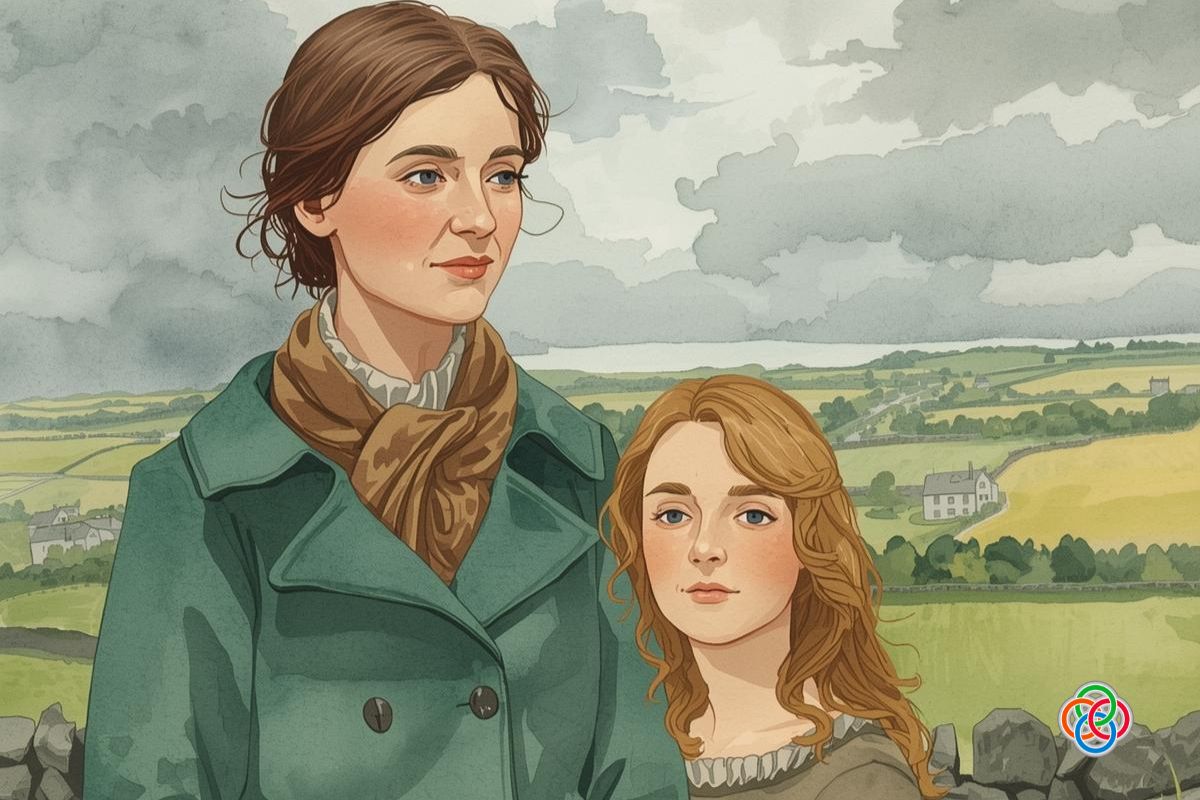
They endured loss with remarkable strength, whether it was children lost to emigration, famine, illness, or poverty, all the while continuing to place family and faith first. Their influence shaped generations, even when it went unrecognised.
Irish Mothers and Grandmothers Today
Today, Irish culture is celebrated more openly than ever, but its foundations remain deeply personal.
Modern Irish and Irish-American women continue to choose which traditions to preserve and which to adapt. Many rediscover family recipes, revisit ancestral stories, and intentionally reconnect with heritage that once felt automatic.
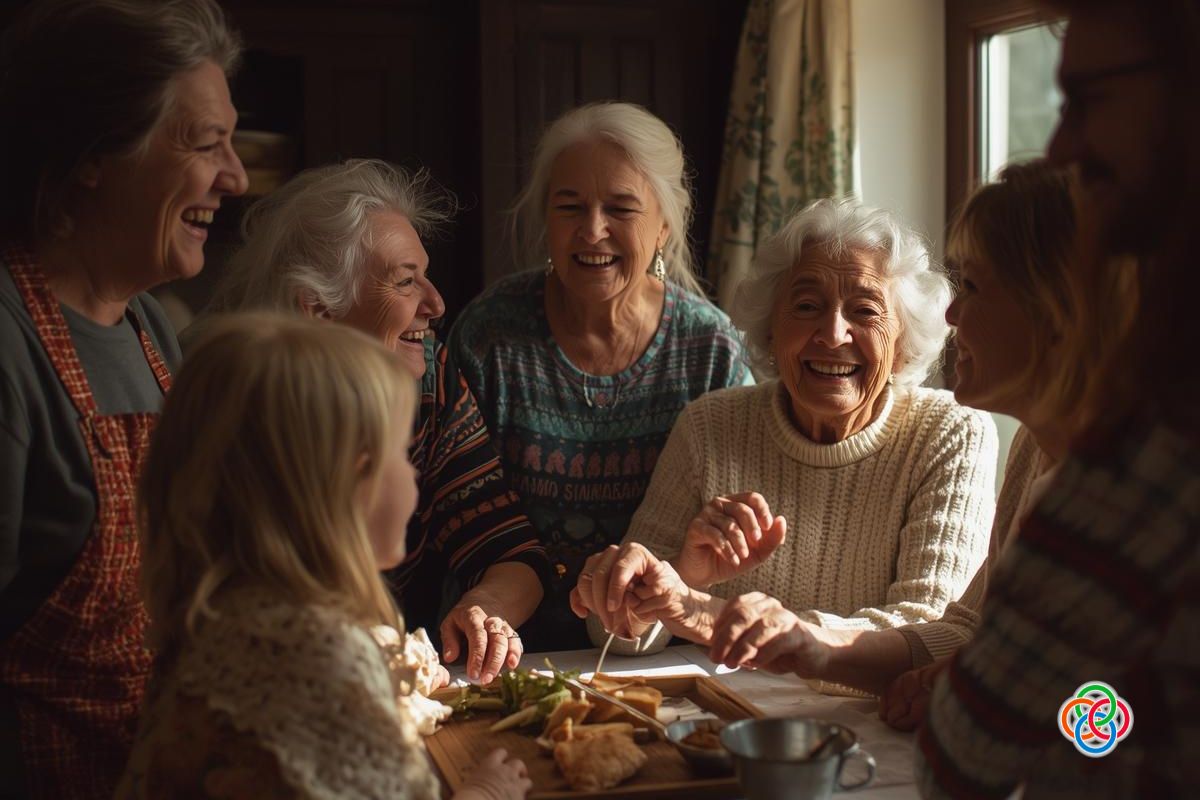
There is growing recognition that what was once dismissed as "women's work" was, in fact, cultural preservation at its most powerful.
From Hearth to Heart: An Enduring Legacy
Irish women preserved culture not through formal institutions, but through love expressed in daily life.
They fed families, told stories, taught prayers, remembered the dead, welcomed neighbours, and passed on values without fanfare. Their legacy lives on in family traditions, seasonal rituals, and the sense of belonging carried by Irish people worldwide.
From hearth to heart, Irish women carried identity across centuries and oceans, ensuring that Irish culture did not merely survive, but endured.

Slán agus beannacht,
(Goodbye and blessings)
Mairéad -Irish American Mom
Pronunciation - slawn ah-gus ban-ock-th
Mairéad - rhymes with parade
Irish Life
- Humor as Survival: Why the Irish Laugh When Life Is Hard
- How The Irish Celebrate Saint Paddy's Day
- Christmas Pantomimes - An Irish Cultural Tradition
- A Dip In The Forty Foot - A Dublin Christmas Tradition


Trials of Motherhood
- Irish Fairy Door Worry Plaque Giveaway
- Irish Sheepdogs - Why I Love Border Collies
- To School On Time - Enrolling Triplets In Pre-School
- A Big Brother's Unwanted Triplet Attention



Leave a Reply